How to Choose the Right Knee Sleeves for Optimal Support?
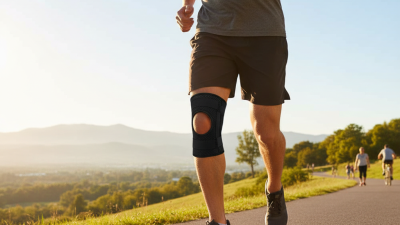
Choosing the right knee sleeves is crucial for athletes and those seeking support. With injuries affecting millions, knee sleeves play a vital role in recovery and prevention. According to a report by the National Athletic Trainers' Association, approximately 25% of athletes experience knee injuries annually. This statistic highlights the importance of adequate knee support.
Knee sleeves vary widely in material and design. "Quality knee sleeves should provide both compression and warmth," says Dr. Samuel Cross, a renowned sports physiotherapist. His emphasis on these features underscores the need for informed decisions. Not all sleeves offer the same level of comfort or support, which can lead to frustration for users.
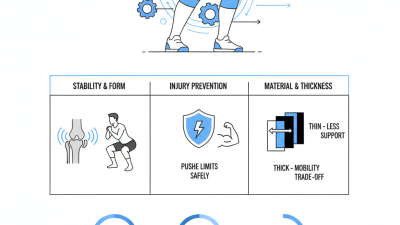
It’s easy to get overwhelmed by choices. Many brands offer different benefits, but not all deliver. A thorough evaluation is necessary to ensure optimal support for the knee. Researching features like fit, thickness, and material will aid in making an informed choice. The right knee sleeve can significantly enhance performance while reducing the risk of injuries.
Understanding the Importance of Knee Support in Physical Activities
Knee support is crucial in various physical activities. A study by the American Academy of Orthopaedic Surgeons highlights that about 25% of athletes experience knee injuries during their careers. These injuries can lead to long-term consequences if not managed correctly. Proper knee sleeves can significantly reduce pain and instability, supporting the joint during movements.
When choosing knee sleeves, consider factors such as compression level and material. High-quality materials provide both comfort and durability. A report from the National Institute of Health emphasizes that the right amount of compression can enhance blood circulation and aid recovery.
Tips: Ensure the sleeve fits snugly but not too tight. A good fit prevents slippage and offers effective support. Gradually ease into using knee sleeves to allow your body to adjust. Listen to your body and make adjustments as necessary. Remember, not all sleeves offer the same level of support, so it's essential to find what works for you.
How to Choose the Right Knee Sleeves for Optimal Support?
| Feature |
Description |
Ideal For |
Compression Level |
| Material |
Breathable fabric that wicks away moisture |
Athletes and Fitness Enthusiasts |
Medium to High |
| Size |
Available in various sizes; proper fit is crucial |
Individuals recovering from injury |
Varies depending on size |
| Support Type |
Pull-on sleeve or wrap-around style |
Those needing varying levels of support |
Low to High |
| Purpose |
For injury prevention or post-injury recovery |
Recreational and professional athletes |
Medium |
| Price Range |
Affordable to high-end options available |
Budget-conscious athletes |
Varies |
Different Types of Knee Sleeves and Their Features
Knee sleeves are essential for athletes and those with joint issues. Understanding their types can help you choose the right one for support and comfort. Generally, there are three main types: compression sleeves, support sleeves, and rehabilitation sleeves. Compression sleeves are designed to enhance blood circulation. They provide warmth and stability during physical activities. Support sleeves offer more rigidity. They are ideal for those recovering from injuries or needing extra stability during heavy lifting.
Rehabilitation sleeves focus on recovery. They may incorporate heat-retaining materials. These are beneficial for inflammation and pain relief. A recent report from the American Journal of Sports Medicine highlights that proper knee support reduces injury risk by 30%. This is crucial for preventing long-term damage.
When selecting knee sleeves, consider your activity level. For daily use, a lightweight compression sleeve may suffice. For heavy lifting, opt for a sturdier support sleeve. Remember, fit is critical. A sleeve that is too tight may restrict blood flow. Conversely, one that is too loose may not provide adequate support. Always measure your knee before purchasing. Use the information from user reviews to gauge the effectiveness.
Factors to Consider When Choosing the Right Knee Sleeves
Choosing the right knee sleeves involves several key factors to ensure optimal support. One important aspect is the level of compression. Adequate compression can enhance blood flow and stabilize the knee. It's essential to find a balance; too tight can restrict movement, while too loose may not provide the needed support.
Another factor to consider is the material. Breathable fabrics are crucial, especially during extended wear. You want something that wicks moisture and keeps your skin comfortable. However, materials can wear out over time. Regularly inspecting your knee sleeves for signs of deterioration is essential, as worn-out products can lead to ineffective support.
Additionally, the fit is paramount. A well-fitting knee sleeve should feel snug without causing pain. Many people mistakenly choose a size based solely on their clothing size. This can lead to purchasing the wrong fit, which diminishes support. Always measure your knee before purchasing to avoid any regrets. It’s worth spending time on these details to ensure you select a knee sleeve that meets your individual needs effectively.
Eligibility Factors for Choosing Knee Sleeves
How to Measure Your Knee for a Proper Fit
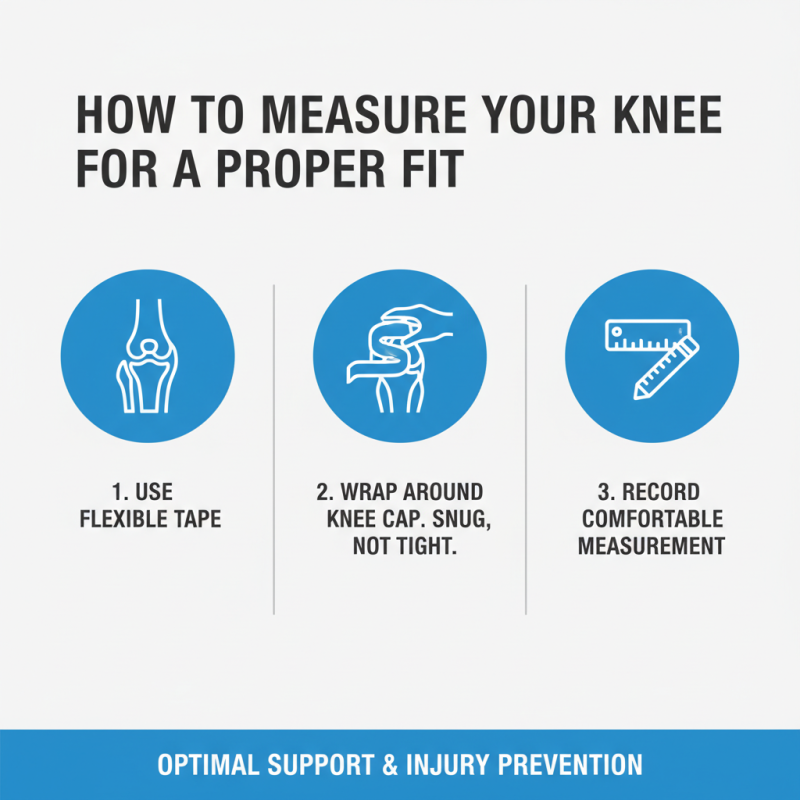
Measuring your knee correctly is essential for finding the right knee sleeves. A proper fit offers optimal support and reduces the risk of injury. Start by using a flexible tape measure. Wrap it around the knee cap, keeping it snug but not tight. Record the measurement where it feels most comfortable.
When measuring, remember that everyone's knees vary. Some may have bulkier muscles or different shapes. This can affect how sleeves fit. After taking measurements, compare them to size charts provided by manufacturers. Finding the right size isn’t just about numbers; it's about comfort too.
**Tips:** Always measure both knees. They may differ in size, especially after an injury. Don't rush the process. Take your time to ensure accuracy. A well-fitted sleeve can help in recovery, while an ill-fitting one can lead to discomfort. Opt for sleeves that allow movement. It’s important they don’t restrict circulation or bunch up during activities.
Tips for Maintaining and Caring for Your Knee Sleeves
Knee sleeves are essential for support. Proper care can extend their lifespan. To maintain your knee sleeves, always follow the washing instructions. Use cold water and a gentle cycle. Avoid harsh detergents. This simple act prevents damage to the material. Dry them flat to preserve their shape and elasticity.
Check your knee sleeves regularly. Look for signs of wear, such as fraying or loss of compression. These issues can reduce their effectiveness. If they become too loose, it may be time to replace them. Remember, effective support relies on the condition of your gear. Store your knee sleeves in a cool, dry place to prevent mold and mildew.
Consider rotating your knee sleeves if you use them frequently. This allows one pair to rest while you wear another. It’s a good practice to cycle through equipment. This can help you reflect on how each pair performs under different conditions. The goal is to find the best option that ensures your comfort and stability during activity.