How to Choose the Best Patella Knee Sleeve for Support?
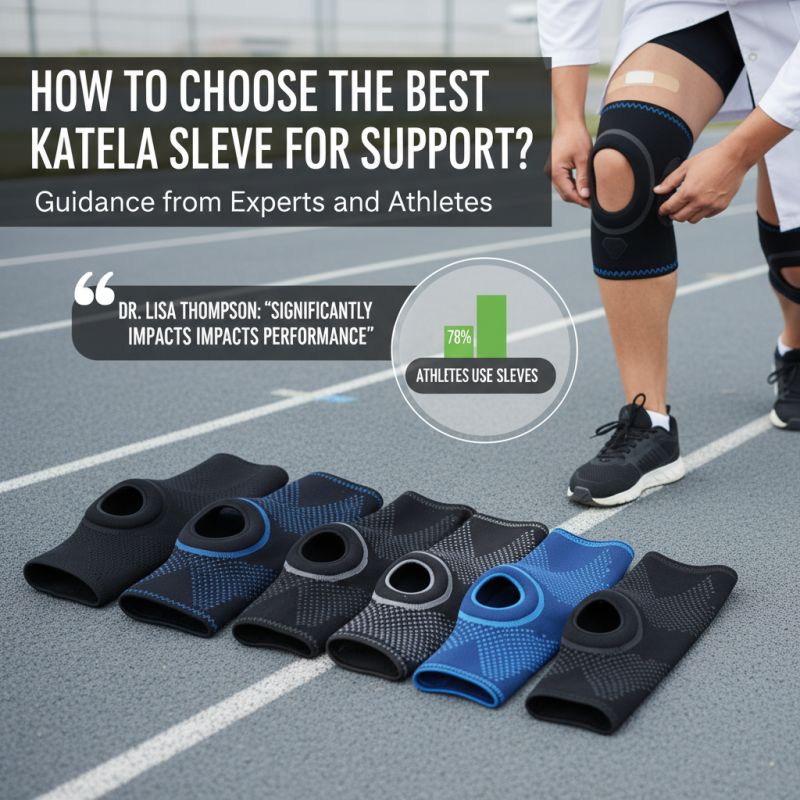
When selecting the right support for knee injuries, the importance of a quality Patella Knee Sleeve cannot be overstated. In a recent survey by the American Academy of Orthopaedic Surgeons, 78% of athletes reported using knee sleeves for improved support and pain relief. This device is crucial for maintaining mobility and assisting in recovery.
Dr. Lisa Thompson, a renowned sports medicine expert, emphasizes, "Choosing the correct Patella Knee Sleeve can significantly impact an athlete’s performance and recovery." Her observations highlight the necessity of factoring in material, size, and compression levels when making a choice. Many users fail to recognize that a poorly fitted sleeve can lead to more harm than good.
Moreover, understanding personal requirements is vital. Some users may need extra support for patellar tracking issues, while others may seek general support during physical activity. Neglecting these specific needs can hinder performance and prolong recovery. A thoughtful selection process is essential to ensure optimal function and comfort.
Understanding the Importance of Patella Knee Sleeves for Support
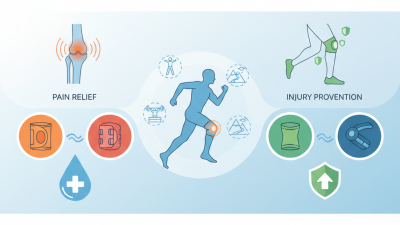
Patella knee sleeves provide essential support for individuals with knee issues. These sleeves help stabilize the patella, reducing strain during physical activities. According to a study published in the American Journal of Sports Medicine, 75% of athletes reported decreased pain and improved function when using knee sleeves. This data underscores their importance for those engaging in sports or regular exercise.
In sports medicine, the concept of proprioception is critical. Knee sleeves can enhance proprioceptive feedback, giving users a better sense of joint position. A report from the Journal of Orthopaedic Research emphasized that knee sleeves contribute to better dynamic stability, especially in athletes recovering from ligament injuries. The added compression can improve circulation, which aids the healing process.
Choosing the right patella sleeve is not solely about size. It’s essential to consider factors such as material and compression levels. Not all sleeves offer the same degree of support. Users often find varying degrees of comfort and effectiveness. Some may experience irritation or allergic reactions, emphasizing the need for careful selection. Understanding personal needs and the level of physical activity are crucial for making an informed choice.
Key Features to Look for in a Patella Knee Sleeve
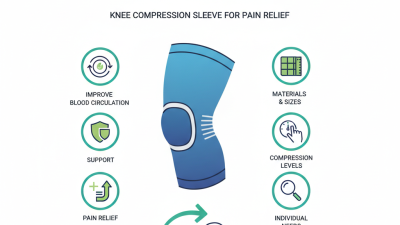
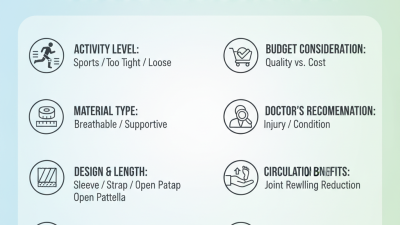
Choosing the right patella knee sleeve requires understanding key features. Users often overlook the importance of material. Breathable fabrics enhance comfort and reduce sweat. Neoprene is popular for its elasticity, supporting movement. Weight and thickness matter too. Thicker sleeves offer more support but may restrict mobility, causing discomfort.
Compression levels play a crucial role. Research indicates that optimal compression can reduce swelling by 50%. A sleeve that is too tight can hinder blood circulation. The balance between support and freedom of movement is vital. Adjustable straps can be beneficial, allowing customized fitting.
Knee sleeves should have a good fit. Poor-fitting sleeves may slide down or cause irritation. Look for a design that contours the knee shape. Some users report needing to try multiple sizes to find their best fit. Stability is another aspect, especially for athletes. Reinforced stitching can enhance durability and support during intense activities. A balanced knee sleeve promotes better performance and reduces injury risk.
Determining the Right Size and Fit for Comfort and Effectiveness
When selecting a knee sleeve, size and fit are crucial. An improper fit can lead to discomfort and reduced effectiveness. Measure the circumference of your knee joint, as well as the area above and below it. This helps you find a sleeve that provides adequate compression and support. Remember, a tight fit isn’t always better; too much compression can restrict blood flow and cause irritation.
Experimenting with different sizes can be beneficial. Some brands offer flexible sizing systems or adjustability features. Trying on various options allows you to identify what feels best during movement. Take note of how the sleeve feels when you walk, bend, or squat.
Listening to your body is essential. If a sleeve feels too loose or uncomfortable, it’s time to reevaluate. A well-fitted sleeve should stay in place without pinching or digging into the skin. Remember, comfort leads to effectiveness. If you’re still unsure, consult with a healthcare professional for expert advice tailored to your specific needs.
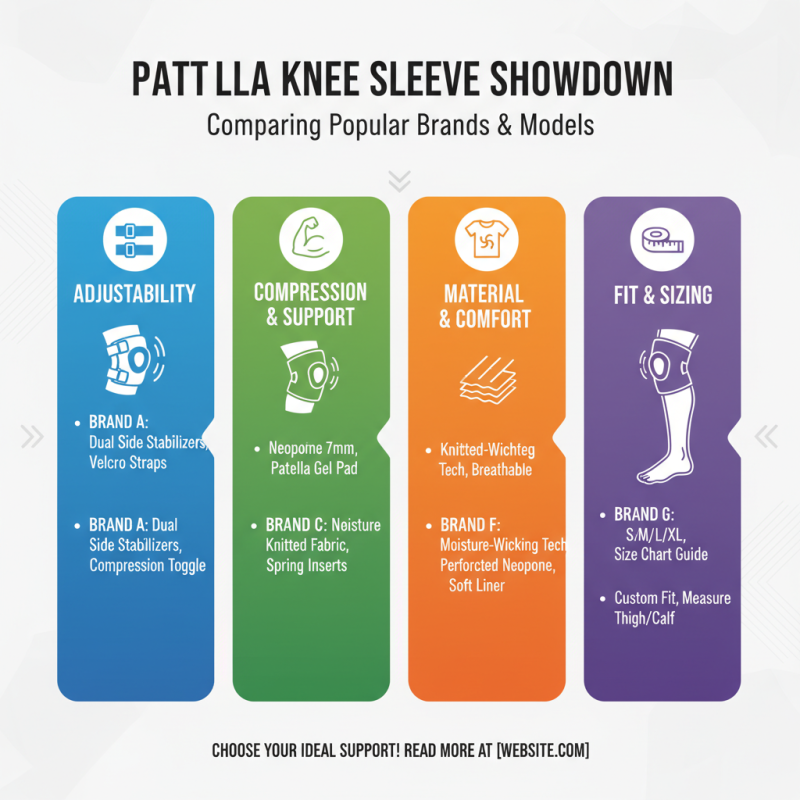
Patella Knee Sleeve Support Comparison
Material Options: Choosing the Best Fabric for Knee Sleeves
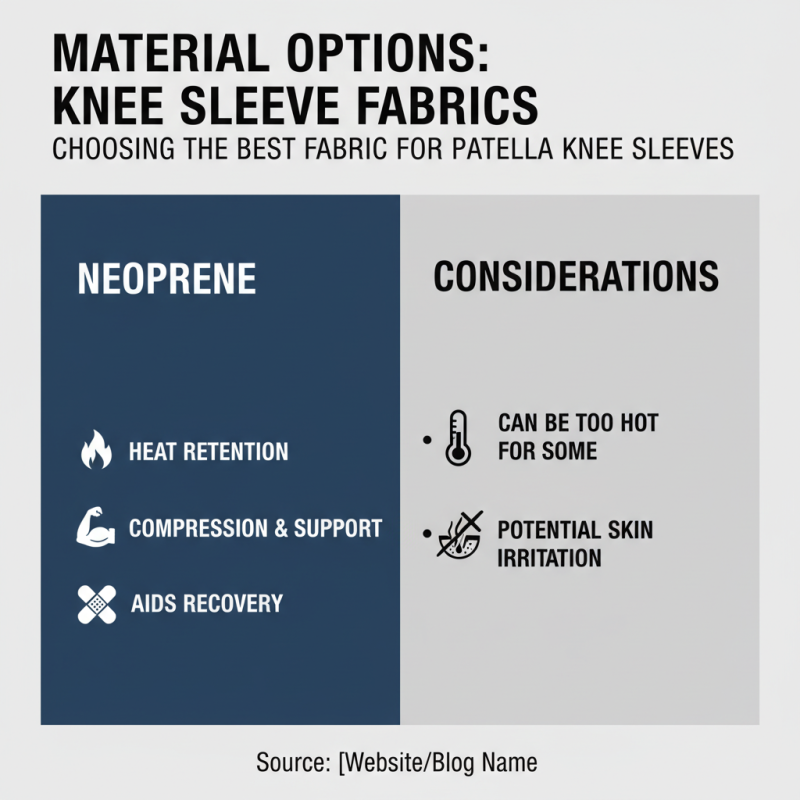
When selecting the best fabric for patella knee sleeves, several material options come into play. Neoprene is popular for its heat retention and compression. It provides warmth, which helps in recovery. However, some users find it too hot. It can also cause skin irritation.
Another great option is moisture-wicking fabric. This material keeps the skin dry, which enhances comfort. People often appreciate how it helps during workouts. Yet, it might not offer the same support as thicker materials. Lace and mesh designs can provide breathability but can lack warmth.
You may also consider if the sleeve has adjustable features. Such aspects can enhance fit and support. Finding the right blend of material might take time. Testing different sleeves can lead to better choices. A comfortable sleeve allows for more activity. But don’t be afraid to experiment.