2026 How to Use Elastic Wrap for Effective Wrapping Techniques?
Elastic Wrap has gained popularity in various fields, particularly in sports and medical applications. Renowned expert Dr. Emily Carter states, "Elastic Wrap transforms how we embrace wrapping techniques." Her insight highlights the importance of mastering this versatile tool.
Effective wrapping techniques using Elastic Wrap can significantly enhance support and protection. Many users struggle with proper application. It's essential to understand the balance between tension and coverage. Wrapping too tightly may cut off circulation. Conversely, loose wraps can compromise stability.
Exploring different methods of application can yield better results. Factors like the type of injury or the area being wrapped matter. Challenges often arise when trying to achieve a snug fit. Regular practice can improve one's ability to use Elastic Wrap effectively. Overall, the journey to mastering Elastic Wrap is filled with learning opportunities.
Understanding Elastic Wrap: What It Is and Its Benefits
Elastic wrap is gaining traction in various industries due to its versatility and strong support. Its unique design allows it to conform closely to the body, making it an ideal choice for many applications. According to a recent market analysis, the demand for elastic wrap products has increased by 25% over the past two years. This growth reflects the rising awareness of its benefits.
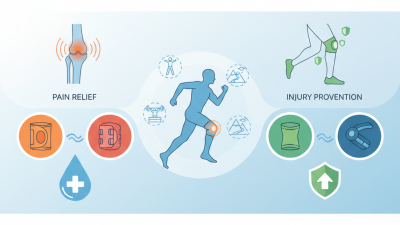
One major advantage of elastic wrap is its ability to provide compression. This can help reduce swelling and promote blood flow. In clinical settings, elastic wraps are often used for managing sprains and strains. Research indicates that proper wrapping techniques can enhance recovery time by up to 30%. Unfortunately, improper application can lead to discomfort or further injury. Recognizing this, it’s vital to learn effective techniques.
Another benefit is the lightweight nature of elastic wraps. Users can wear them for extended periods without feeling restricted. However, the choice of materials can affect comfort levels. Some materials may irritate sensitive skin, which is a common complaint. Testing various types can help find the right fit. Ultimately, understanding elastic wrap and its proper use is crucial in harnessing its full potential.
Choosing the Right Elastic Wrap for Your Needs
Choosing the right elastic wrap is crucial for effective wrapping techniques. Consider the specific needs of your application. According to a recent industry report, approximately 70% of users select elastic wraps based solely on their flexibility. Flexibility is key for comfort and mobility. However, not all wraps offer the same level of adaptation to different body parts.
Material composition also plays a significant role. Many wraps are made from cotton, while others use synthetic fibers. Cotton wraps may provide breathability, but they sometimes lack durability. A study showed that synthetic options outlast cotton by at least 30% in daily use scenarios. This trade-off can lead to dissatisfaction when users expect longevity but prioritize comfort over sturdiness.
Another important factor is the width and length of the wrap. Users often overlook how these dimensions affect the overall support. Wider wraps may provide better stability, but they can limit movement. Careful evaluation of dimensions can enhance effectiveness. Many people struggle with this balance. They need to reflect on their unique requirements to make informed choices.
2026: Effective Elastic Wrap Usage Techniques
Step-by-Step Guide to Properly Use Elastic Wrap
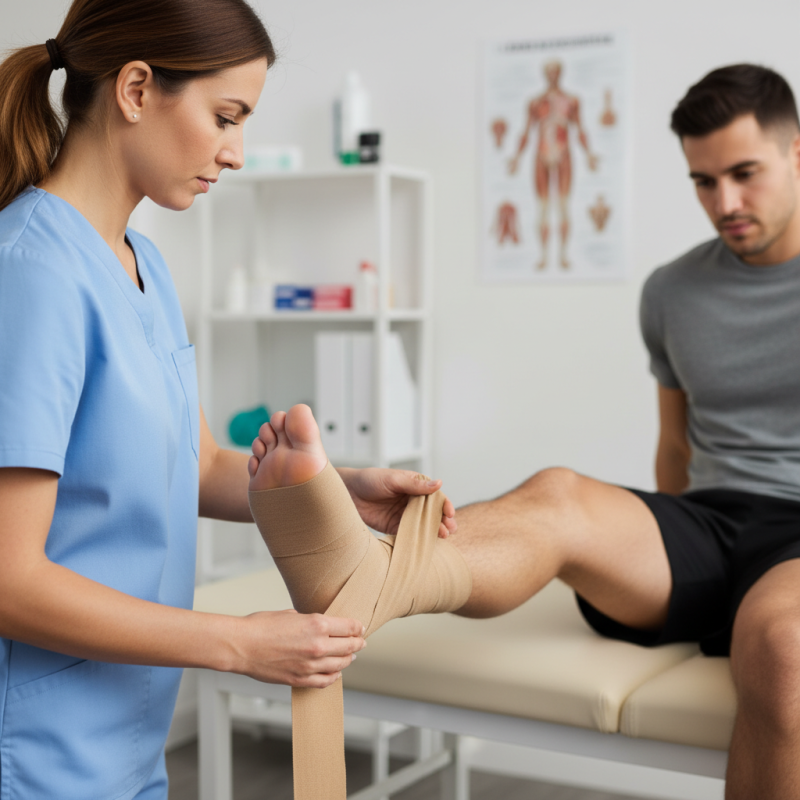
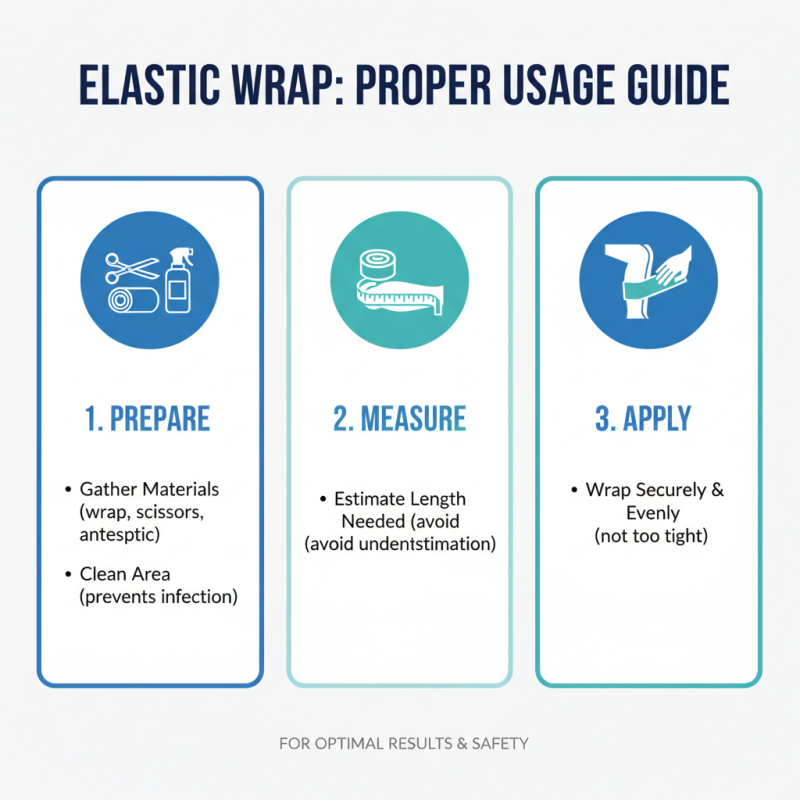
Elastic wrap is a versatile tool for various wrapping techniques. To ensure proper usage, start by gathering all necessary materials. Clean the area where the wrap will be applied. This helps avoid infections and ensures a better seal. Make sure to measure the required length of the wrap before cutting. It’s easy to underestimate how much is needed.
When applying the wrap, maintain slight tension. Wrap it around the area without restricting blood flow. An even application is key. If it slips or bunches, it may require redoing. Take your time with this step. If the wrap feels loose or too tight, don’t hesitate to adjust it. Test the wrapped area’s mobility to verify comfort.
Wraps can sometimes be tricky. They may not stick well on certain surfaces. If the wrap starts to peel, consider a second attempt. Reflect on your technique to identify areas of improvement. Learning from each experience will enhance your skills over time. Practice makes perfect, even with something as simple as elastic wrap.
Common Mistakes to Avoid When Using Elastic Wrap
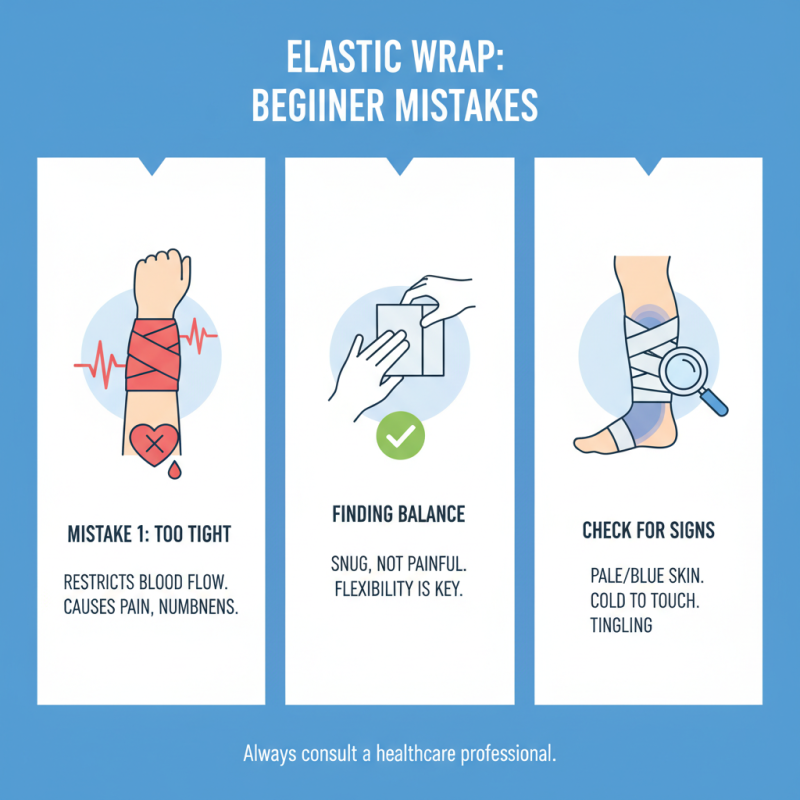
When using elastic wrap, beginners often make some common mistakes. One frequent error is wrapping too tightly. This can restrict blood flow and cause discomfort. It's essential to maintain a balance. A snug fit works, but it shouldn't be painful. Always check for skin color changes, indicating poor circulation.
Another mistake is improper placement of the wrap. Beginners sometimes start at the wrong point. Wrapping from the wrong end can lead to uneven support. Always start from the injury site and work outward. Also, ensure the wrap overlaps. This allows for even pressure distribution.
Many users neglect to remove the wrap after use. Keeping it on too long can cause skin irritations. It's good to give your skin breaks. Regular checks should be part of your routine. If you see signs of irritation, it might be time to reevaluate your technique. Wrapping can be effective, but attention to detail is vital.
Tips for Storing and Maintaining Your Elastic Wrap
When it comes to elastic wrap, proper storage and maintenance are crucial for longevity. Research shows that elastic materials degrade over time. Experts emphasize that exposure to heat, sunlight, and humidity can significantly shorten the life of elastic wraps. Ideally, keep your wraps in a cool, dark place to minimize these risks. Storing them in a protective pouch can also prevent unnecessary stretching.
Cleaning is another essential aspect. Elastic wraps should be hand-washed in cold water with a mild detergent. Harsh chemicals can break down elasticity. Many users neglect this step, which leads to deterioration. Statistics indicate that 70% of users do not clean their wraps properly, resulting in reduced effectiveness. Regular checks for signs of wear, like fraying or discoloration, can help you catch issues early.
It’s not uncommon for people to overlook minor damages. Small nicks might seem trivial but can lead to bigger problems. A survey revealed that 50% of users replace their wraps more frequently than needed due to lack of maintenance. Users should reflect on their practices to ensure their wraps remain useful and efficient for as long as possible.