How to Use Elastic Wrap for Effective Packaging Solutions?
In today's fast-paced marketplace, effective packaging is vital. Businesses are seeking innovative solutions that enhance safety and efficiency. Elastic Wrap has emerged as a prominent choice for protective packaging. According to a report by Smithers Pira, the global flexible packaging market is projected to reach $300 billion by 2025. This growth reflects a demand for adaptable materials like elastic wrap.
Elastic Wrap offers flexibility and reliability. Its unique stretch properties conform to various product shapes, ensuring a snug fit during transportation. In a survey by Packaging World, over 70% of companies noted improved product protection with elastic wrap. This data highlights how this material helps reduce damage rates and enhance customer satisfaction.
However, not everyone uses Elastic Wrap effectively. Some businesses still opt for traditional packaging methods, unaware of potential cost savings and efficiency. Elastic Wrap also requires proper application techniques to maximize its benefits. Companies must continually assess their packaging strategies to foster sustainability and innovation in a competitive landscape.

Understanding Elastic Wrap and Its Benefits for Packaging
Elastic wrap is transforming the packaging industry with its unique properties. Made from a blend of elastic materials, it provides secure and flexible wrapping solutions. One key benefit is its ability to conform to various shapes and sizes. This flexibility ensures that your items are well-protected during transport. Elastic wrap can help prevent damage, saving costs on replacements.
Tips: When using elastic wrap, ensure you stretch it adequately for optimal grip. A well-wrapped item will resist shifting during transit. Don't underestimate the importance of layering. Multiple layers can enhance protection for fragile items.
Another advantage of elastic wrap is its lightweight nature. This feature reduces additional shipping costs. It is also reusable, making it an eco-friendly option. However, while it may seem durable, consider potential wear over time. Regularly check for any signs of fraying or loss of elasticity. Proper maintenance extends the life of your packaging solutions.
How to Use Elastic Wrap for Effective Packaging Solutions? - Understanding Elastic Wrap and Its Benefits for Packaging
| Feature |
Description |
Benefit |
Application |
| Stretchability |
Elastic wrap can stretch up to 300% of its original size. |
Provides a snug fit and prevents movement during transport. |
Ideal for packaging fragile items. |
| Durability |
Made from high-quality materials that resist tearing and puncturing. |
Protects items from damage during handling and shipping. |
Suitable for shipping electronics and glassware. |
| Lightweight |
Elastic wraps are lightweight, minimizing added weight to packages. |
Reduces shipping costs. |
Great for bulk shipping where weight is a concern. |
| Reusability |
Can be used multiple times if cared for properly. |
Cost-effective solution for packaging needs. |
Perfect for businesses looking to reduce waste. |
| Versatility |
Suitable for various shapes and sizes of items. |
Allows for customization in packaging design. |
Useful for both retail and industrial packaging. |
Choosing the Right Type of Elastic Wrap for Your Packaging Needs
Choosing the right type of elastic wrap is crucial for effective packaging. Different types serve various purposes. Some are better for heavy items, while others are optimal for smaller, lighter packages. Always consider the weight and fragility of your items before selecting a wrap.
Thickness is another important factor. Thicker wraps provide more protection but can be bulkier. If space is limited, a thinner wrap may suffice, yet it won't offer as much cushioning. Reflect on your specific needs. Are you prioritizing protection or space-saving?
The stretchability of the wrap matters too. Highly elastic materials can conform to a variety of shapes. This adaptability can help secure unique items. However, some wraps may lose their elasticity over time. Regularly reassess your packaging materials to ensure they meet current demands.
Elastic Wrap Usage in Packaging Solutions
Step-by-Step Guide to Properly Applying Elastic Wrap
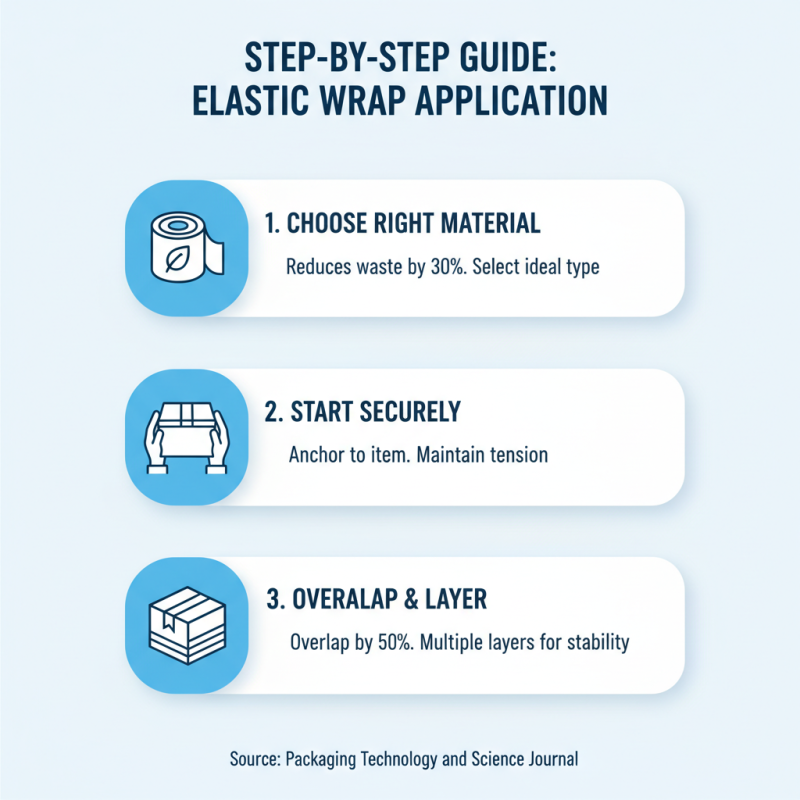
Elastic wrap is becoming a popular choice in packaging solutions due to its versatility and effectiveness. To apply elastic wrap properly, start by ensuring you have the right material. A study from the Packaging Technology and Science journal highlights that packaging waste could be reduced by up to 30% using effective methods. This demonstrates the importance of selecting the ideal materials for your needs.
When wrapping items, begin at the base and gently stretch the elastic material. Maintain consistent tension for uniform coverage. Avoid over-wrapping, which can lead to excessive material use and wastage. Research indicates that packaging mistakes can increase costs by nearly 20%. Being mindful of your wrapping technique is crucial in maintaining efficiency.
Observation is key during application. Monitor the elasticity to ensure proper fit. If uneven or loose spots appear, rewrap those areas for a better hold. A report by the Sustainable Packaging Coalition shows that consumers favor eco-friendly practices. Reflect on ways to balance efficiency with sustainability. Using elastic wrap can be effective, but it requires constant assessment and refinement of your approach.
Creative Uses of Elastic Wrap in Various Packaging Scenarios
Elastic wrap is revolutionizing the packaging world with its versatility. It can adapt to various shapes and sizes, making it a go-to for many industries. From fragile items like glass to oddly shaped goods, it provides a secure hold. Creative minds are using it in ways that push traditional packaging boundaries.
One example is the use of elastic wrap in shipping artwork. Artists appreciate how it keeps their pieces safe without the bulk of rigid boxes. Another innovative use is for securing items during storage. By wrapping tools or sports equipment, clutter can be minimized effectively. However, using elastic wrap isn’t without challenges. If overused, it can be wasteful and create unnecessary plastic waste, prompting reconsideration of sustainable practices.
In retail, elastic wrap can enhance product displays. Retailers can showcase multiple items together, drawing customer attention. This method offers a unique view while ensuring products remain intact. Yet, precision is vital. Over-tightening can damage products, which should raise questions about proper application methods. Overall, elastic wrap offers creative possibilities, but careful consideration is essential for effective use.
Tips for Storing and Maintaining Elastic Wrap for Longevity
When using elastic wrap for packaging, proper storage and maintenance can extend its lifespan significantly. Keeping your elastic wrap in a cool, dry place prevents it from deteriorating quickly. Humidity and heat can damage the material, reducing its elasticity and effectiveness. Make sure to store it away from direct sunlight, as UV light can cause it to become brittle over time.
Tips for storage include rolling the wrap instead of folding it. Folding can create creases that weaken the material. Also, avoid storing it near sharp objects that might puncture or tear the wrap. Regularly check for signs of wear, such as thinning or fraying edges, to ensure that you are using it effectively.
While elastic wrap is durable, improper care can lead to disappointment. Always keep your workspace clean before using it. Dirt and debris can stick to the wrap, which may compromise its effectiveness. Consider keeping a dedicated container for your elastic wrap to minimize exposure to the elements. This small step can make a significant difference in its longevity.