Top Compression Sleeves for Performance and Recovery Benefits?
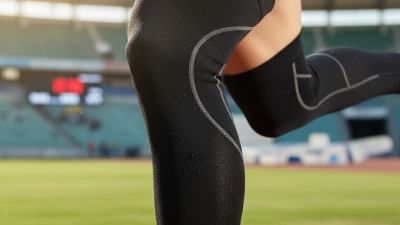
Compression sleeves have gained popularity among athletes for their potential benefits in performance and recovery. These snug-fitting garments help improve blood circulation and reduce muscle soreness. Many athletes swear by them during and after intense workouts.
When using compression sleeves, it's important to find the right fit. Too tight can lead to discomfort, while too loose won't provide benefits. This balance can be tricky. Performance gains may vary from one athlete to another, with some experiencing a noticeable difference, while others might not. Yet, the growing trend suggests that many believe in the power of compression.
Athletes often wear these sleeves for support and warmth. Some report enhanced focus and reduced fatigue. However, it’s essential to acknowledge that individual experiences will differ. As we dive deeper into the world of compression sleeves, we aim to uncover which options truly deliver on their promises.
Introduction to Compression Sleeves and Their Benefits
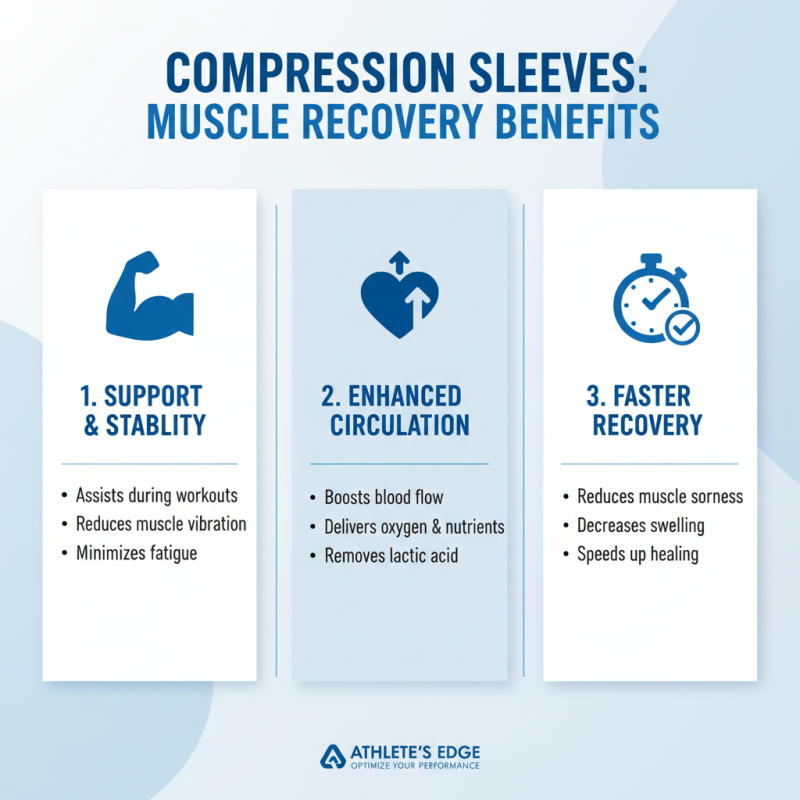
Compression sleeves have gained popularity among athletes and fitness enthusiasts. These garments apply gradual pressure to the limbs, promoting blood flow and reducing muscle oscillation during activities. As a result, they may enhance performance and aid recovery. Many individuals report feeling less soreness after intense workouts when using these sleeves. They are easy to wear and can be incorporated into various sports and exercise routines.
The main benefits of compression sleeves lie in their ability to improve circulation. Better blood flow means increased oxygen delivery to muscles, which can lead to improved performance. Additionally, they may help reduce swelling and inflammation post-exercise. Some users find that their recovery time decreases significantly. However, not everyone experiences the same level of benefits. Individual body types and activity levels may affect outcomes. Listening to one’s body is crucial when integrating compression sleeves into a routine.
Moreover, while compression sleeves are beneficial, they aren’t a cure-all. Some athletes might still experience fatigue or muscle tightness. Adjusting the fit or trying different styles can be an ongoing process. Finding the right balance between comfort and support takes time and observation. Ultimately, these sleeves can be a useful tool, but they are just one piece of the puzzle for optimal performance and recovery.
Types of Compression Sleeves: Varieties for Different Sports
Compression sleeves have gained popularity across various sports. They help enhance performance and recovery. Athletes often report improved blood flow and muscle support. However, not all sleeves are the same. Different types cater to specific sports and needs.
For runners, calf sleeves are common. A 2020 study found that wearing calf sleeves can improve running economy by 2%. Cyclists often opt for arm sleeves. These can regulate temperature and protect against sun exposure. A survey indicated that 70% of cyclists find arm sleeves beneficial for long rides. However, some athletes question the effectiveness. The benefits can vary based on personal preferences and body types.
Weightlifters may choose knee sleeves for joint support. Research shows these sleeves can reduce the risk of injury. Yet, there's debate on how much support they truly provide. Some lifters feel over-reliant on them. CrossFit athletes also use various compression gear. They often experiment to find what works best for them. Personal experience often trumps data in these cases.
Performance Benefits: How Compression Enhances Athletic Output
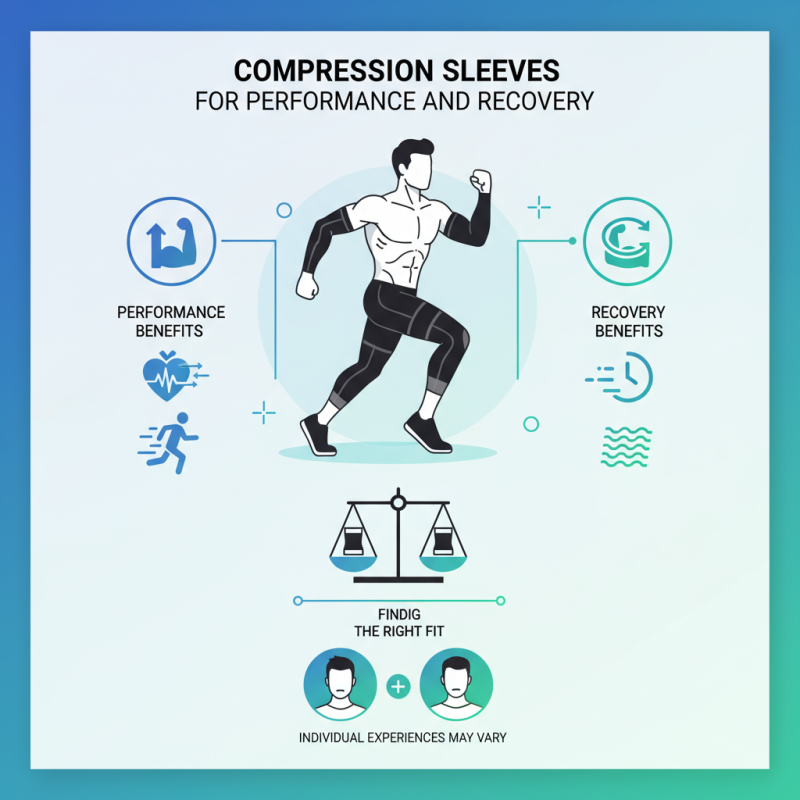
Compression sleeves have gained popularity among athletes for their unique benefits. They promote blood circulation, which can lead to improved performance. Enhanced blood flow means better oxygen delivery to the muscles. This can result in a more effective workout session. Athletes often report feeling less fatigue during intense activities. It seems that compression gear can play a crucial role in this aspect.
However, it's important to note that not all experiences are the same. Some athletes find the sleeves restrictive or uncomfortable. This discomfort can distract from the task at hand. The key is to find the right fit. Ill-fitting compression sleeves might actually hinder performance. Proper sizing is essential to avoid any negative impact.
Another point of reflection is recovery. While many swear by compression for post-workout rejuvenation, not all evidence is conclusive. Some studies show significant benefits, while others suggest minimal differences. Athletes should listen to their bodies. Evaluating personal experience is vital to understanding what truly works. Trial and error might lead to the best combination for individual needs.
Choosing the Right Compression Sleeve: Factors to Consider
Choosing the right compression sleeve is essential for maximizing performance and enhancing recovery. When selecting a sleeve, consider the fit. A proper fit should feel snug but not restrictive. According to a report by the Journal of Strength and Conditioning Research, optimal compression levels between 20-30 mmHg are generally most effective. This level can support circulation and reduce muscle soreness.
Another factor to think about is material. Look for breathable and moisture-wicking fabrics. These materials help keep your skin dry. A study published in the International Journal of Sports Physiology and Performance found that materials like nylon and spandex effectively promote airflow. Some users report discomfort with overly thick fabrics, which can hinder mobility.
Lastly, think about the specific activity you will engage in. Different sports may require varying sleeve lengths and compression levels. For instance, runners often prefer knee-high compression sleeves to support their calves. However, not all athletes feel the same benefits across all activities. Personal preference plays a big role in how effective a compression sleeve can be. Finding the right match may take some trial and error.
Top Compression Sleeves for Performance and Recovery Benefits
| Compression Sleeve Type |
Material |
Compression Level |
Size Range |
Ideal Use |
Recovery Benefits |
| Arm Sleeves |
Polyester, Spandex |
15-30 mmHg |
S - XL |
Running, Cycling |
Reduces muscle soreness |
| Calf Sleeves |
Nylon, Spandex |
20-25 mmHg |
M - XXL |
Running, Hiking |
Improves blood circulation |
| Knee Sleeves |
Neoprene, Nylon |
10-20 mmHg |
S - L |
Weightlifting, Sports |
Supports joint stability |
| Full Leg Sleeves |
Cotton, Polyester |
15-25 mmHg |
M - XXXL |
Marathon, Long Distance Running |
Enhances muscle recovery |