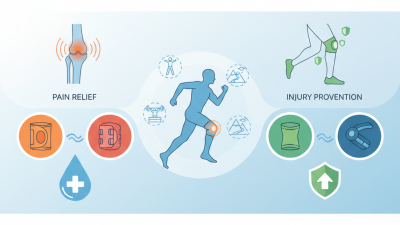
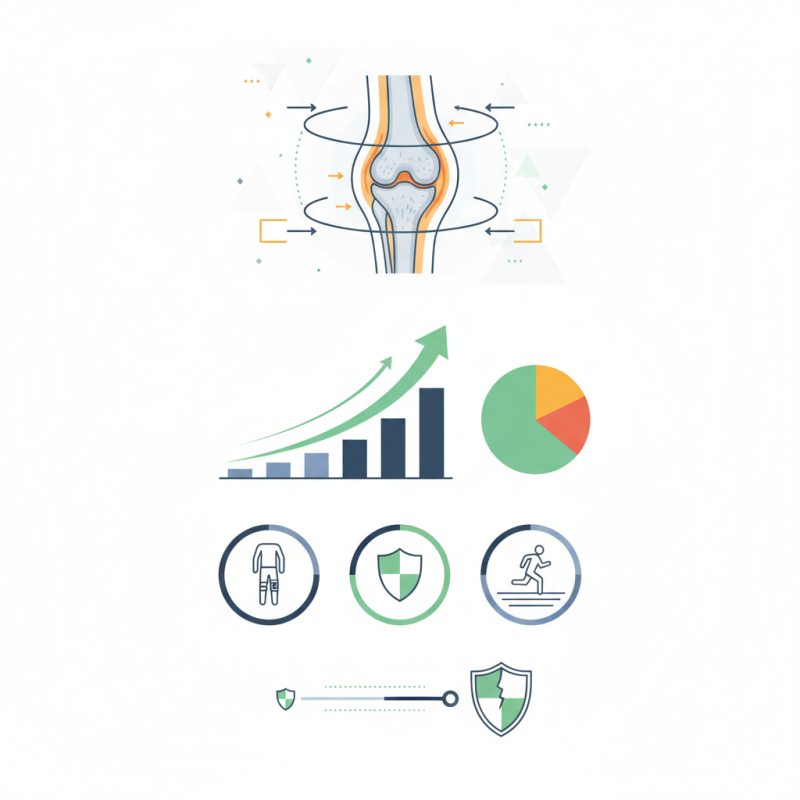
Knee injuries are a common challenge in sports and daily activities. According to the National Institutes of Health, millions face knee-related issues each year. The global Knee Protection market is projected to grow significantly. Experts predict a compound annual growth rate of over 5% by 2025. This growth reflects the increasing awareness of knee health and prevention.
Dr. Sarah Thompson, a renowned researcher in sports medicine, emphasizes, “Effective knee protection measures are crucial to preventing injury.” Her insights highlight the importance of adopting proper knee gear and practices. Athletes from various sports understand the risks involved. However, many overlook fundamental protective strategies.
The need for effective Knee Protection solutions becomes clear as we consider the rising injury statistics. Awareness is crucial, yet we often underestimate the impact of proper equipment. Knee injuries can result in long-term consequences. Therefore, it is essential to integrate preventive measures into training routines. Reflecting on our current strategies can lead to better overall outcomes.
The Historical Significance of Ancient Transportation Methods
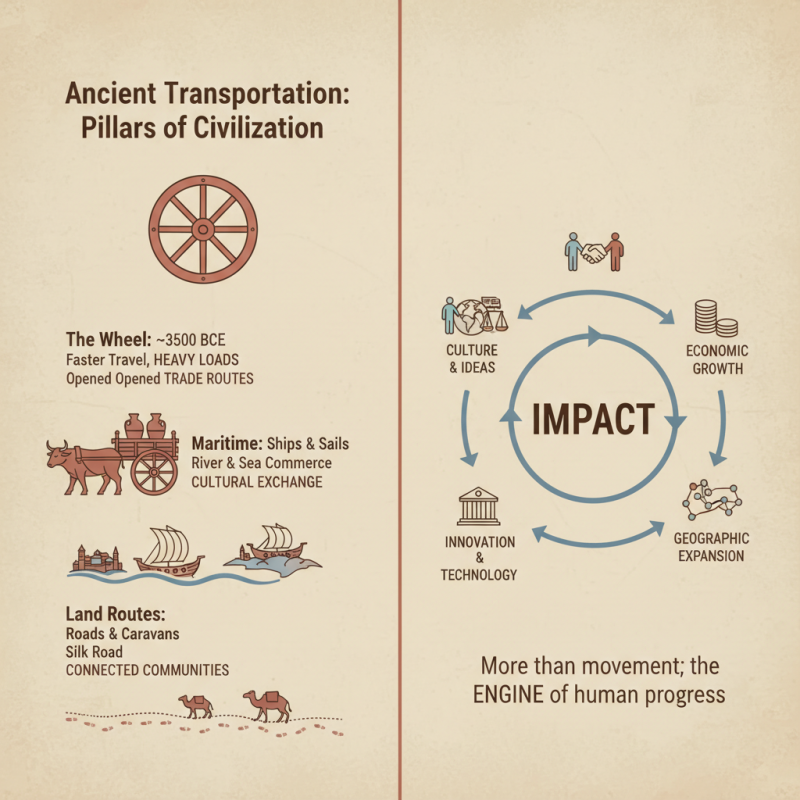
Ancient transportation methods have played a pivotal role in shaping civilization. They were not just about moving goods. They helped cultures connect and evolve. For example, the invention of the wheel changed everything. It made travel faster and more efficient. People could transport heavy loads over long distances. This innovation opened up trade routes, fostering relationships between distant communities.
Rivers were also critical. Civilizations thrived along their banks. Boats enabled commerce and communication. Yet, many cultures overlooked the importance of preserving these waterways. The rise of roads led to a decline in river transport. As a result, some ancient trade routes became obsolete. This change raises questions about our priorities in transportation. Were we too focused on land travel, ignoring water’s potential?
Moreover, the significance of ancient transportation methods extends beyond practicality. They reflect human creativity and resilience. As societies faced challenges, their solutions transformed mobility. However, not all methods were successful. Some innovations faded into obscurity. This impermanence encourages us to reflect on our current transportation choices. Are we repeating past mistakes, neglecting sustainable options? Understanding our history can guide us toward better decisions.
The Evolution of Transportation: From Footpaths to Highways
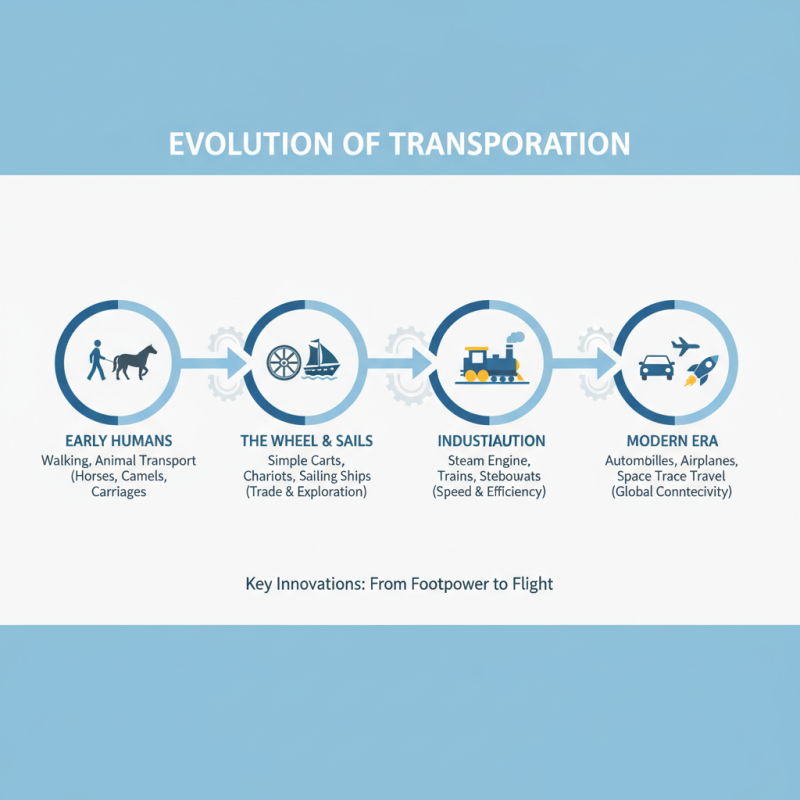
Transportation has undergone remarkable changes over centuries. In ancient times, people relied on footpaths, navigating rough terrain with nothing but their feet. These paths connected villages and facilitated trade. However, traveling long distances was time-consuming and dangerous. People often faced wild animals or harsh weather conditions.
With the rise of civilization, transportation methods evolved. The invention of the wheel marked a pivotal moment. Carts pulled by animals became common. This innovation made it easier to carry goods. Roads began to emerge, connecting cities and improving trade routes. Yet, these early roads were often crude and poorly maintained, leading to accessibility issues.
In time, paved roads and highways transformed travel. They allowed for faster movement and more reliable transportation. Modern highways are designed for efficiency, yet they also create new problems. Traffic congestion and pollution have become significant concerns. While we have made remarkable progress, there is still much to reflect on regarding sustainability and accessibility in our transportation systems.
Impact of Ancient Transport on Trade and Cultural Exchange
Ancient transport systems significantly shaped trade and cultural exchange. Historical evidence shows that trade routes such as the Silk Road connected distant civilizations. These paths facilitated not only the exchange of goods but also the spread of ideas. The World Bank reported that trade routes increased economic activity by over 30% in regions connected by these networks.
However, the impact was not without challenges. Transportation was often unreliable. Weather, terrain, and conflicts could disrupt trade. For example, traders faced dangers like banditry. These adversities forced traders to adapt, leading to innovative logistics solutions. The Roman roads, with their engineering prowess, improved trade efficiency, yet they also required heavy maintenance. Public investments in these infrastructures sometimes faltered.
Cultural exchanges were transformative but complex. Ideas traveled alongside tangible goods. Cultural diffusion was often uneven, favoring dominant societies. The Pew Research Center notes that while cross-cultural exchanges led to advancements, they could also create tensions. The struggle for power and control over resources shaped these interactions. These dynamics remind us that exchange is a double-edged sword.
Comparative Analysis of Ancient and Modern Transportation Systems
Transportation systems have evolved dramatically over time. Ancient civilizations relied on simple methods, such as foot travel, animal transport, and waterways. This limited mobility often constrained trade and communication. In contrast, modern systems leverage advanced technology, making transportation faster and more efficient. According to the International Transport Forum, global public transport ridership increased by over 25% from 2000 to 2020. This is a clear indicator of the transformation in our movement patterns.
Many people overlook the environmental impact of these modern systems. While public transport is vital, it often still relies heavily on fossil fuels. A report from the United Nations states that the transportation sector accounts for roughly 24% of global greenhouse gas emissions. This raises questions about sustainability. Cities must consider both the efficiency and environmental footprint of their transport networks.
**Tip:** Using bicycles or walking whenever possible can contribute to urban sustainability. Small changes in daily transport habits can have a significant impact.
Increasing digitalization in transport planning is a double-edged sword. Technologies like GPS and smart apps improve navigation. Yet, they can deepen dependency on tech. As we advance, finding a balance between tradition and innovation is crucial. The future of transport may require learning from ancient practices that prioritized simplicity and community engagement.
Comparative Analysis of Ancient and Modern Transportation Systems