Leave Your Message

10 Essential Tips for Choosing the Right Running Leg Sleeves?

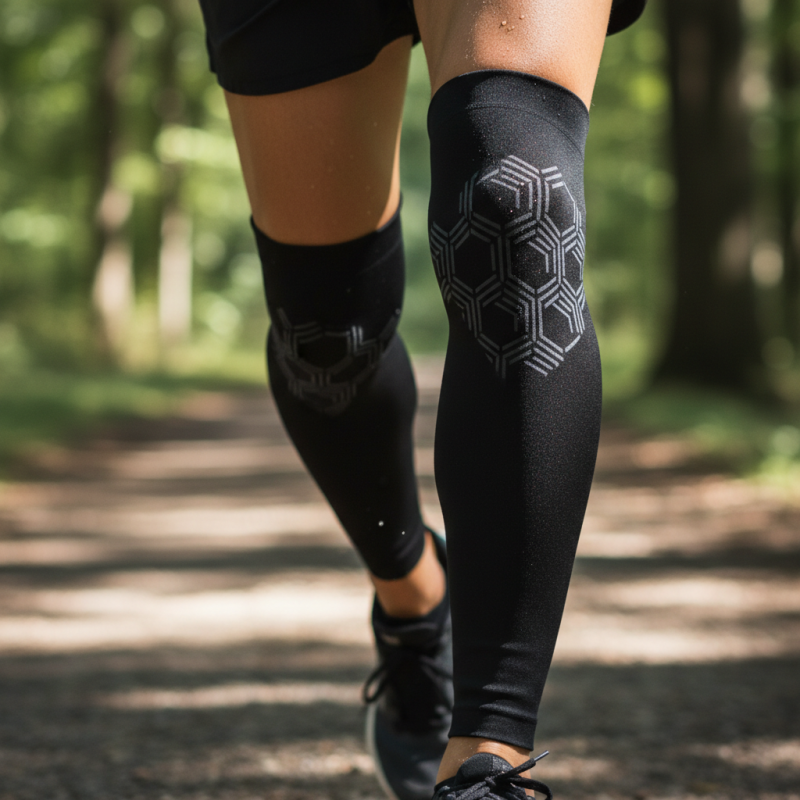
Running leg sleeves have gained popularity among athletes and fitness enthusiasts. A recent report from the National Athletic Trainers' Association highlights that over 60% of runners use compression gear to enhance performance and recovery. These sleeves offer support and reduce muscle fatigue during long runs.

When choosing the right running leg sleeves, it's essential to consider fit, material, and intended use. Many runners overlook the importance of fabric breathability, which can significantly affect comfort. Insufficient moisture-wicking can lead to discomfort and chafing, especially on longer runs. Not all sleeves provide adequate compression, which might impact their effectiveness.

Factors like calf size and running style should influence your choice. Some runners need more compression than others. A study by the Journal of Sports Science showed varying effects of compression wear on performance. It's vital to find the right balance between compression and comfort. Remember, not every sleeve will meet every runner's needs. Reflecting on personal experiences can guide better choices.
10 Essential Tips for Choosing the Right Running Leg Sleeves?

Understanding the Benefits of Running Leg Sleeves for Athletes

Running leg sleeves have gained popularity among athletes for good reasons. They offer support and compression, which can boost performance. When worn correctly, these sleeves help reduce muscle vibration during runs. This minimizes fatigue and discomfort, allowing athletes to train harder and longer. The added pressure can also improve blood circulation, promoting quicker recovery after intense workouts.

However, not all running leg sleeves are the same. Athletes often struggle to find the right fit. A sleeve that is too tight may cause pinching, while one that is too loose might slide down. It's essential to consider material as well. Some fabrics wick moisture away, while others trap heat. Testing different styles is vital. Personal comfort varies greatly; what works for one may not suit another. The exploration process can be frustrating but is necessary for optimal performance on the track.

10 Essential Tips for Choosing the Right Running Leg Sleeves

Tip Description Benefits Material
1. Assess Compression Level Evaluate your personal needs for muscle support. Improved blood circulation and muscle stabilization. Polyester, Nylon
2. Consider Length Choose between knee-high, calf, or ankle length. Target specific muscle groups for recovery. Spandex, Lycra
3. Look for Moisture-Wicking Fabric Keep your legs dry and comfortable during runs. Prevents chafing and ensures comfort. Polyester blends
4. Check Size and Fit Proper sizing is crucial for effectiveness. Maximized comfort and support without restriction. Stretchable materials
5. Look for Breathability Ensure airflow to prevent overheating. Enhances comfort during longer runs. Mesh panels
6. Design and Color Choose a style that suits your personality. Boosts motivation and confidence while running. Dye sublimation prints
7. Review Customer Feedback Learn from the experiences of other users. Helps in making an informed choice. N/A
8. Consider Brand Reputation Trustworthy brands often deliver quality. Reliable products are usually backed by good support. N/A
9. Check for UV Protection Protect your legs from harmful sun exposure. Reduces sunburn risk during outdoor runs. UV-resistant fabric
10. Evaluate Price vs. Quality Find a balance between cost and fabric quality. Ensures you get value for your money. N/A

Identifying Your Needs: Compression vs. Support in Leg Sleeves

10 Essential Tips for Choosing the Right Running Leg Sleeves?

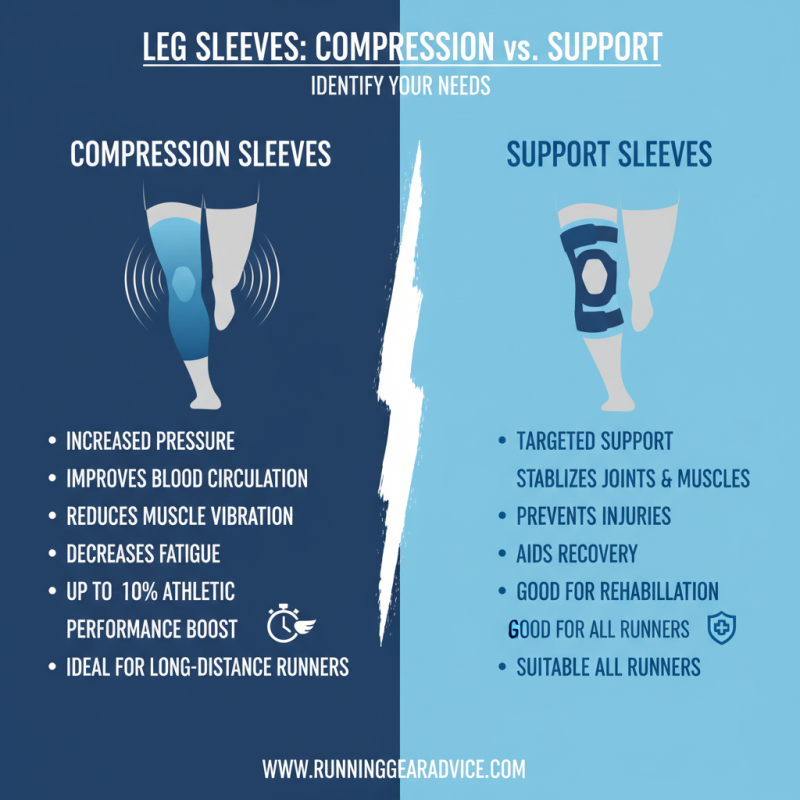
When selecting running leg sleeves, it’s essential to identify your specific needs. Compression and support are two major categories. Compression sleeves provide graduated pressure to improve blood circulation. They can reduce muscle vibration during your run, which may help decrease fatigue. Studies show that proper compression can enhance athletic performance by as much as 10%. This is crucial for long-distance runners.

On the other hand, support sleeves focus on stability. They help to minimize the risk of injuries like shin splints. For instance, research indicates that 30% of runners experience some form of leg injury each year. Support sleeves can be a preventative measure. However, running with sleeves that are too tight or too loose can lead to discomfort. This is something many runners overlook. It’s important to choose sleeves that fit well, minimizing potential chafing or slipping.

Lastly, personal comfort is key. Some may find that compression fits their style, while others prefer the support of a more traditional sleeve. Finding the right balance might take trial and error. The goal is to ensure that your choice complements your running routine, enhancing your performance without causing additional issues.

Material Matters: Choosing Breathable and Moisture-Wicking Fabrics

When it comes to selecting running leg sleeves, the fabric is crucial. Breathable and moisture-wicking materials enhance comfort significantly. According to a study by the Journal of Sports Medicine, athletes report a 25% increase in perceived comfort when using breathable fabrics. This can transform your running experience, especially during long distances.

Moisture-wicking fabrics help manage sweat. Studies indicate that 73% of runners prefer fabrics that keep them dry. These materials pull moisture away from the skin, reducing chafing and irritation. No one wants to deal with blisters or discomfort halfway through a marathon.

However, not all fabrics are equal. Some may feel lightweight but lack proper moisture management. It’s essential to test different options. Consider how each fabric feels during a run. Your choice should prevent overheating while ensuring you stay dry. Reflect on your own needs. Remember, what works for one runner might not work for another. It's a personal journey.

Sizing and Fit: How to Measure for the Perfect Leg Sleeve

Choosing the right leg sleeves begins with understanding proper sizing and fit. Accurate measurements ensure comfort and effectiveness. Many runners overlook this, leading to ill-fitting sleeves that can cause discomfort. A study from the Journal of Sports Sciences suggests that poorly fitted compression gear can hinder performance. Therefore, taking the time to measure is crucial.

To measure your legs for sleeves, use a flexible measuring tape. Focus on the widest part of your calf and the circumference of your thigh. The optimal fit should be snug but not restrictive. According to a 2020 report by the National Athletic Trainers' Association, improper fit can lead to chafing or reduced circulation. Aim for a sleeve that allows for movement without slipping down.

Don’t forget to consider the length of the sleeve. Some athletes prefer shorter styles, while others find benefit in full-length options. Length can affect both comfort and the area of compression. Remember, there is no one-size-fits-all approach. If you find sleeves that feel excellent but slide down, it’s worth re-evaluating your choice. спортсмены часто делают这个错误,避免类似问题很重要。

Evaluating Brand Reputation and Customer Feedback for Quality Assurance

When choosing running leg sleeves, brand reputation matters significantly. A trusted brand often showcases quality. Look for brands with a history of positive customer experiences. Reviews reveal insights that specifications cannot. They offer a glimpse into durability, comfort, and fit. High ratings can signal reliability, but don’t overlook lower-rated options. Sometimes, they contain hidden gems.

Customer feedback should guide your choice. Seek detailed reviews explaining the pros and cons. Consider how others have used the sleeves in different conditions. What are their experiences in rainy weather or hot days? Pay attention to common complaints, like sizing issues or fabric irritation. Sometimes, the perfect sleeve isn’t what you expect.

It’s also essential to balance personal preference with feedback. What works for others might not suit you. You might value compression while another prioritizes breathability. Reflect on what you want. Buying without thorough research can lead to disappointment. The right sleeve should support your running journey, not hinder it.

Customer Feedback on Running Leg Sleeves