How to Choose the Right Sports Leg Brace for Your Needs?
Choosing the right sports leg brace can be a crucial decision. It directly affects your performance and recovery. With various options available, understanding your specific needs is vital.
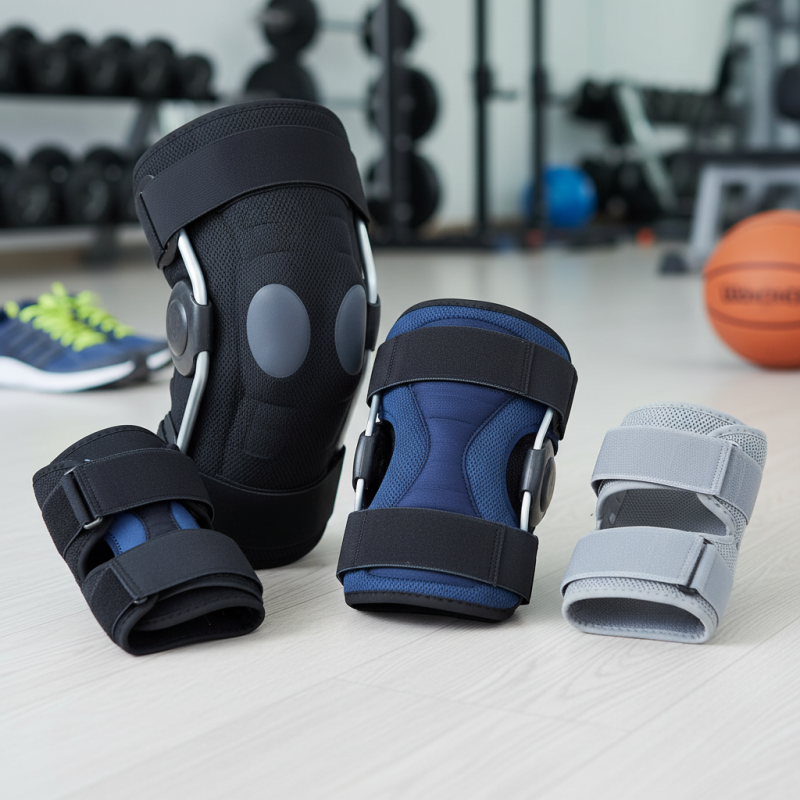
Sports leg braces come in different designs and materials. Some provide maximum support, while others enhance mobility. When selecting a brace, consider the type of sport you play. Each sport may require different levels of support.
You must also reflect on your injury history. Past injuries can influence your choice. A well-fitted sports leg brace can prevent re-injury. Explore options that cater to your unique circumstances. This choice isn't always clear-cut. Sometimes, trial and error may lead to the best fit.
Understanding Different Types of Sports Leg Braces
When choosing a sports leg brace, understanding the options available is crucial. There are several types of leg braces that serve different purposes. For instance, functional braces provide stability for injuries like ligament tears. Compression braces, on the other hand, reduce swelling and improve circulation. According to a 2022 report by the American Orthopedic Society for Sports Medicine, about 30% of athletes experience lower limb injuries each year. The right brace can significantly affect recovery.
Knee and ankle braces are common, but each has distinct features. A knee brace can support the patella, while an ankle brace may limit movement to protect sprains. Users often find that many braces are bulky and uncomfortable, which can deter them from wearing them consistently. Proper fit is essential. A survey revealed that over 25% of users reported discomfort due to poor sizing. Without the right fit, the brace may not work effectively.
Education plays a key role. Not all braces are made equally, and many athletes overlook this aspect. According to recent data, 40% of athletes expressed doubt about their chosen braces' effectiveness. Understanding the materials and design can help in making an informed decision. It’s essential to consider personal needs closely. Each athlete's requirements vary based on their sport and injury history. The wrong choice could lead to further complications.
Assessing Your Specific Needs and Conditions
Choosing the right sports leg brace can be tricky. It starts with assessing your specific needs. Are you recovering from an injury? Do you have a pre-existing condition that affects your mobility? Knowing these details helps you make a more informed choice.
Consider the type of activities you engage in. If you play soccer or run regularly, you might need a brace that offers extra support. Think about flexibility, too. Some braces are stiff. They may limit your movement, which can be frustrating during games.
It’s also essential to think about comfort. A brace that fits well can make a significant difference. If it’s too tight or too loose, it may cause more problems. Remember, finding the perfect brace often requires trying a few options. Don’t hesitate to seek advice. Sometimes, the best insights come from your physical therapists or trainers. They may see what you overlook.
Evaluating Fit and Comfort for Optimal Performance
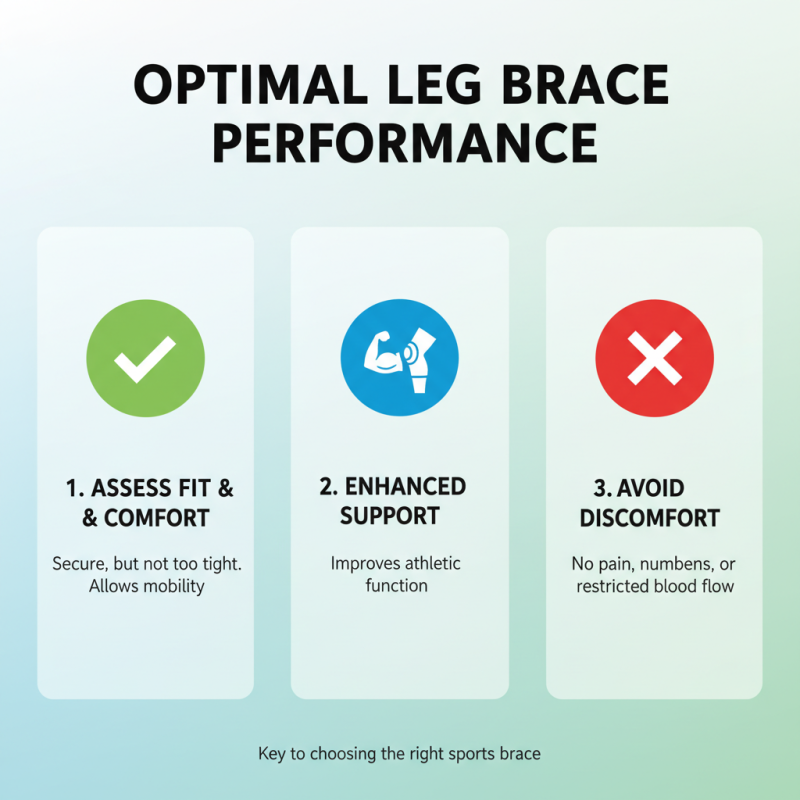
Choosing the right sports leg brace begins with assessing fit and comfort. A well-fitted brace allows for better mobility and support. It should hug the leg securely, but not too tightly. If it causes discomfort or restricts blood flow, it’s not the right fit.
When trying on a brace, wear your usual athletic gear. Move around, bend, and simulate your sport's movements. Pay attention to any pinch points or areas that feel restrictive. Remember, a brace should support you, not hinder your performance.
**Tips:** Always check for adjustable straps. They can help achieve the perfect fit. Consider materials that offer both support and breathability. A comfortable brace will boost your confidence during activity.
Don’t ignore feedback from your body. If the brace feels off during a workout, evaluate what’s wrong. Maybe it’s too loose or has stiff sections. Following your instincts ensures optimal support and performance.
Identifying Key Features to Look for in Leg Braces
Choosing the right sports leg brace can make a significant difference in your performance.
Key features matter. Each athlete has unique needs based on their sport and injury history. Comfort should never be overlooked.
A brace that fits well will help you focus on your game. Look for adjustable straps. They can enhance support and improve fit.
Tips: Always try the brace before buying. Walk around in it. See if it restricts your movement. A brace needs to feel like part of your body.
If it feels awkward, it's not ideal. Pay attention to the material.
Breathable fabrics can keep you cool during intense activities.
Stability is crucial. Some braces offer added ankle support. If your sport involves lateral movements, this can be beneficial.
Consider how the brace feels during different activities. Red flags? A brace that chafes or slips is a no-go. Reflect on how various designs might work for you,
and don't hesitate to explore options. Finding the right fit takes time.
Consulting Professionals for Personalized Recommendations
When it comes to choosing a sports leg brace, consulting with professionals can make a significant difference. Doctors, physical therapists, and sports trainers have the expertise to guide you in selecting the right brace for your specific condition. They consider factors like your activity level, injury type, and current physical state. An initial assessment might reveal needs you hadn't considered, such as additional support for flexibility or stability.
During your consultation, be prepared to discuss your lifestyle. Do you run regularly? Do you participate in high-impact sports? These details can help the professional tailor their recommendations. They might suggest trying different designs. A brace that feels comfortable to one person may not work for another. Don't rush this process; take time to reflect on how each option feels during movement.
However, it's essential to remain open to feedback. Sometimes, the brace you prefer might not offer the best support. It’s possible to feel overwhelmed by choices and advice. Don't hesitate to ask questions and clarify your options. A critical eye will help you weigh effectiveness against comfort, leading to a more informed decision. Your leg brace should empower you to stay active, not hinder you.
Sports Leg Brace Effectiveness Ratings
This bar chart illustrates the effectiveness ratings of different types of sports leg braces based on user feedback. The ratings are based on a scale of 1 to 10, where a higher score indicates greater effectiveness for injury support.