How to Choose the Right Knee Support Brace for Your Needs?
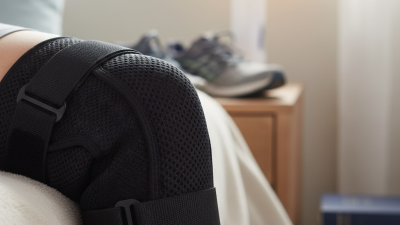
Choosing the right knee support brace is crucial for comfort and recovery. Dr. Emily Carter, a renowned orthopedic specialist, emphasizes, "A proper knee support brace can significantly impact your healing process." When selecting a brace, it’s essential to consider your specific needs and activities.
Many options exist, ranging from simple sleeves to adjustable braces with various support levels. This diversity can be overwhelming. You might find yourself questioning which features are necessary for your situation. Consider your lifestyle, injury type, and recovery goals. A well-fitted knee support brace offers stability. However, the wrong choice can hinder your movement, causing frustration.
Remember, finding the best knee support brace is not just about looks. It’s about functionality and fit. Reflect on what feels comfortable and supportive. Don’t rush your decision. Sometimes, it may even take several attempts to find the right match. A thoughtful choice in knee support can lead to greater confidence during your daily activities.
Understanding Different Types of Knee Support Braces Available
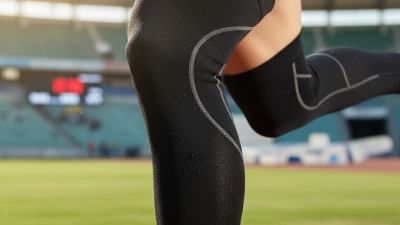
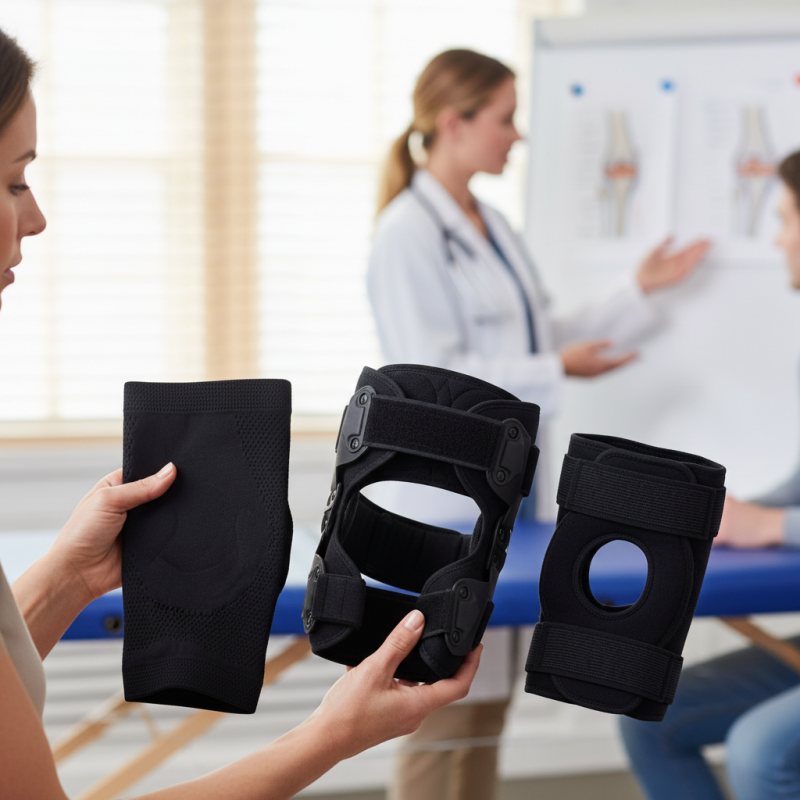
When selecting a knee support brace, understanding the types available is crucial. There are several options, each catering to different needs. Sleeves provide compression, promoting warmth and blood flow. They are lightweight and offer basic support for mild injuries or fatigue.
Wrap-around braces offer more adjustable support. They can be customized for tighter or looser fits. This type is ideal for those recovering from surgery or those with chronic pain. Hinged braces provide stability to the knee joint, making them suitable for individuals with ligament injuries.
Tips: Consider your activity level when choosing a brace. A lightweight sleeve may work for light jogs, but a hinged brace is better for sports. Also, remember that not all injuries require a brace. Sometimes, rest is the best option. Choose wisely and listen to your body for optimal care.
Types of Knee Support Braces and Their Popularity
Assessing Your Specific Knee Injury or Condition
When it comes to knee injuries, understanding your specific condition is vital. There are different types of knee issues, including ligament injuries, arthritis, and patellar tendinitis. Each requires unique support. It's essential to assess your pain, swelling, and overall mobility. Do you have a history of knee issues? That matters.
**Tips:** Consider where it hurts most. Knowing your pain points helps. If it's behind the knee, you may need a different brace than if it's on the side.
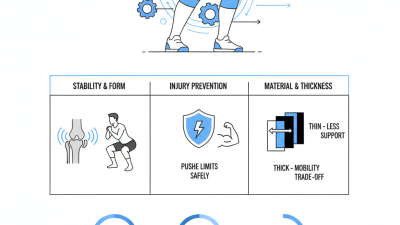
Another factor is your activity level. Are you on your feet all day or do you participate in sports? A more active lifestyle may require a brace with better stability. However, too much support can limit movement. Think about what feels right for you.
**Tips:** Look for adjustable options. These can provide better support as your knee condition changes.
Lastly, consider how long you plan to wear the brace. For short periods, a lighter option is fine. However, a long-term solution might need more structure. Reflect on your daily routines and how the brace integrates into them. Remember, finding the right fit can take time. Don’t rush the decision.
Key Features to Look for in a Knee Support Brace
When selecting a knee support brace, consider several key features. Comfort is paramount. A brace should fit snugly but not restrict blood flow. Many users report discomfort when straps dig into skin. Look for adjustable straps to customize the fit better.
Material matters too. Common options are neoprene and elastic blends. Research shows breathable fabrics reduce sweat and improve wearability. However, some braces may provide too much compression. This can restrict movement and lead to muscle stiffness, especially after prolonged use.
Stability is another crucial feature. A good brace should offer support without limiting mobility. Studies indicate that braces with hinges provide added stability during physical activity. However, they can feel bulky. Finding the right balance between support and freedom of movement may take time. Each person's needs are unique—what works for one may not work for another.
How to Choose the Right Knee Support Brace for Your Needs? - Key Features to Look for in a Knee Support Brace
| Feature |
Description |
Recommended For |
Price Range |
| Material |
Breathable fabric for comfort |
General wear |
$20 - $50 |
| Support Level |
Varies from light to maximum support |
Post-injury recovery |
$30 - $100 |
| Size Options |
Available in multiple sizes for best fit |
Varies by user dimensions |
$25 - $80 |
| Adjustability |
Straps for custom fit |
All users |
$15 - $60 |
| Type of Bracing |
Hinged, sleeve, or wrap |
Specific injuries |
$40 - $120 |
Finding the Right Fit: Sizing and Comfort Considerations
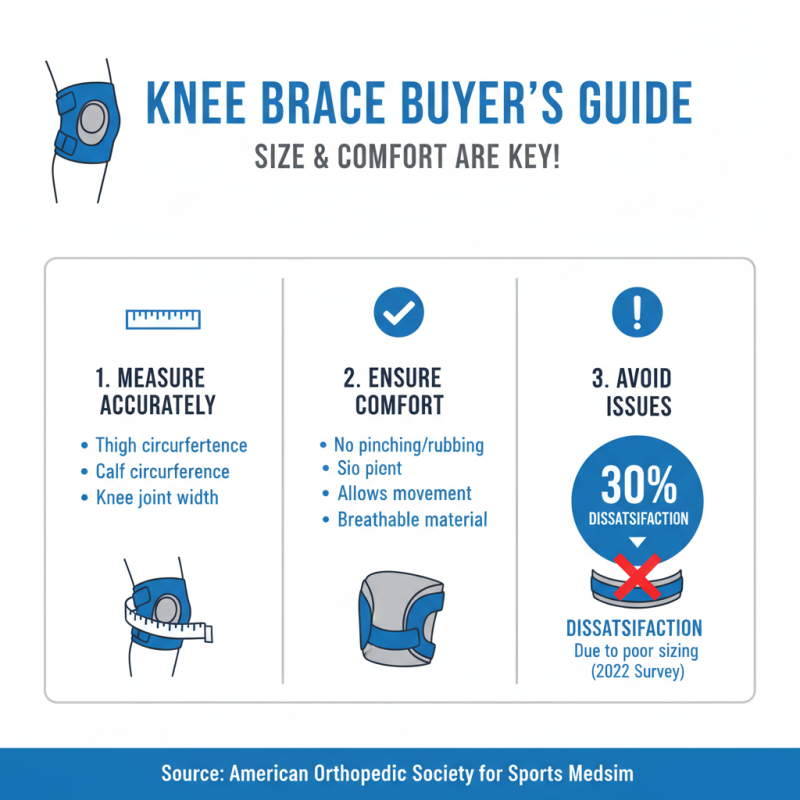
Choosing the right knee support brace starts with ensuring proper sizing and comfort. An ill-fitting brace can lead to discomfort and limit mobility. According to a 2022 survey by the American Orthopedic Society for Sports Medicine, over 30% of participants reported dissatisfaction due to size issues. This highlights the importance of accurate measurements and adjustments.
When selecting a brace, consider the following measurements: knee circumference and thigh size. Many users overlook the need for personalized fitting. An optimal fit should feel snug without being restrictive. Reports indicate that 45% of individuals experience skin irritation from improperly sized braces. Regularly revisiting the fit is critical, especially after changes in weight or activity level.
Comfort should never be compromised. Look for bracing materials that are breathable and moisture-wicking. Some users find additional padding helpful, while others prefer minimalistic designs. Remember, preferences vary widely. A 2021 study found that 60% of users change their preferred brace style after a few months of use, indicating the need for flexibility in choice. Bridging the gap between comfort and support improves long-term adherence to using the brace effectively.
Consulting with Healthcare Professionals for Expert Advice
Consulting healthcare professionals can greatly enhance your decision-making process when choosing a knee support brace.
Physical therapists, orthopedic specialists, and sports medicine experts provide valuable insights tailored to your specific needs.
According to a report by the American Physical Therapy Association, over 30% of patients benefit from customized recommendations on knee support.
Personalized advice can help address unique physical conditions rather than relying solely on generic products.
Patient feedback often highlights the importance of professional guidance. A study from the
National Institutes of Health indicates that approximately 40% of individuals feel overwhelmed by the variety of knee brace options available.
Many admit they chose a brace based on online reviews rather than medical advice. This approach can lead to poor outcomes and ongoing discomfort.
Healthcare professionals help navigate this complexity, ensuring the brace aligns with your activity level and any underlying issues.
Regarding knee support, remember that not all braces are equal. Some may restrict movement while others provide stability.
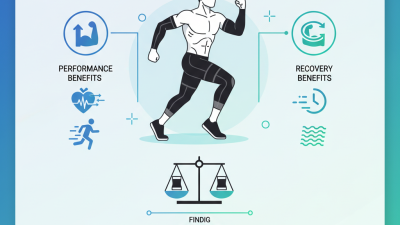
Consulting with healthcare providers enables you to explore the balance between support and mobility.
The wrong choice can result in dependency or injury. Individual assessments allow for a trial-and-error approach, crucial for finding the optimal fit.
Take time to weigh the experts’ opinions against your experiences and preferences.