How to Choose the Best Knee Wrap for Injury Recovery?
Choosing the right knee wrap is crucial for effective injury recovery. Dr. Sarah Mitchell, a renowned sports medicine specialist, states, "A proper knee wrap can significantly enhance healing."
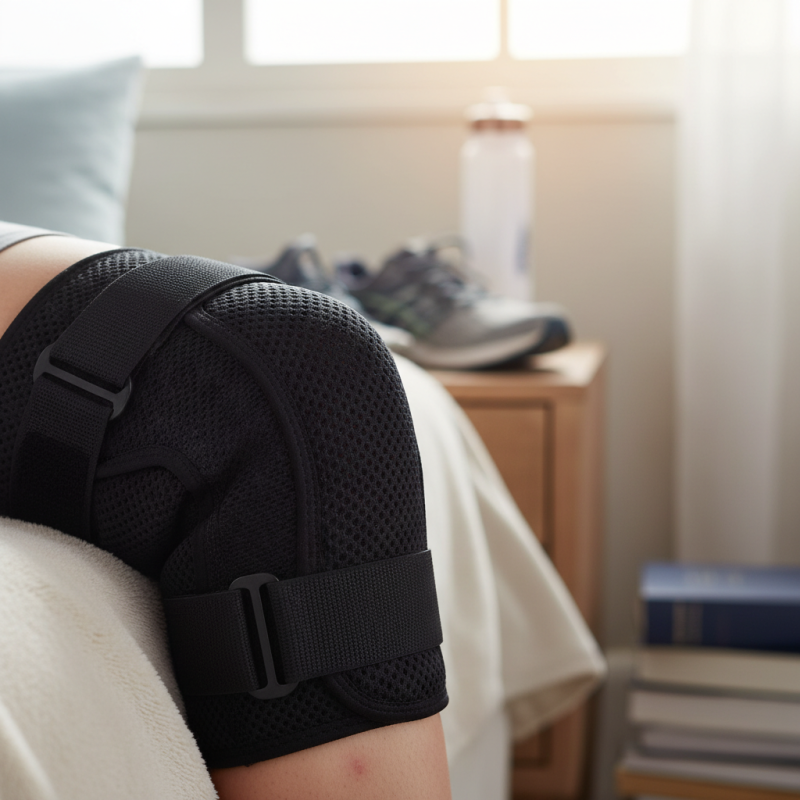
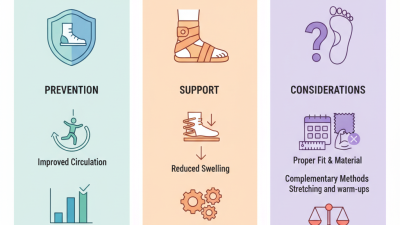
When looking for a knee wrap, consider the fit and material. A wrap must be snug but not too tight. The right tension helps reduce swelling. Look for breathable fabrics to ensure comfort during prolonged use. Some wraps offer additional features, such as heat retention or cooling elements.
You might overlook the importance of adjustability. A knee wrap that doesn’t fit well can hinder recovery. Listen to your body and make adjustments as needed. Experimenting with different wraps can lead to better support and healing. Remember, recovery is a journey, and the right knee wrap is an essential tool.
Understanding the Different Types of Knee Wraps Available
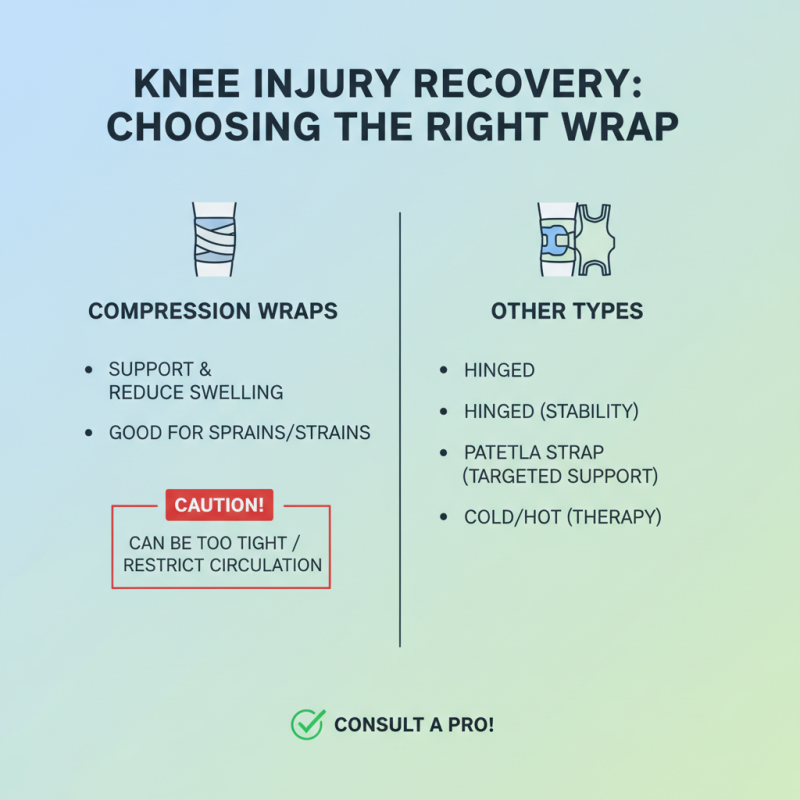
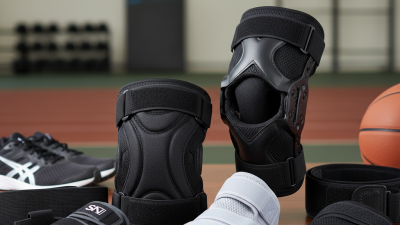
When recovering from a knee injury, choosing the right knee wrap is crucial. There are various types of knee wraps available, each serving specific purposes. Compression wraps provide support and reduce swelling. They can be helpful for sprains and strains. However, some people find them too tight. This can lead to discomfort or cut off circulation.
Bracing wraps are another option. They offer stability for the knee joint. This is great for individuals with ligament injuries or post-surgical recovery. However, wearing a brace can feel bulky. Sometimes it restricts movement, which can be frustrating during physical therapy. Adjustable wraps might provide a compromise. They allow for customization in tightness and comfort.
It's important to consider your activity level while choosing a wrap. A more active person may need a flexible wrap, while someone recovering might prefer a firmer brace. Listening to your body is essential. If a wrap causes pain or hinders recovery, it’s time for a change. Each type offers benefits and drawbacks, so reflect on your needs carefully before making a purchase.
Identifying Your Specific Injury and Recovery Needs
When dealing with knee injuries, it's crucial to identify your specific condition. Research shows that different injuries require tailored approaches. For instance, a study by the American Journal of Sports Medicine revealed that 70% of knee injuries are related to ligament issues. If your injury involves a strain or sprain, a wrap that offers compression is ideal. This helps reduce swelling and speeds up recovery.
Another aspect to consider is the level of support you need. A report from the Journal of Orthopedic Research highlights that adequate support can prevent further injury. If your injury is more severe, you might need a wrap that provides stability. Alternatively, for minor injuries, a lighter wrap could suffice. Be mindful of comfort, too; an uncomfortable wrap might hinder your healing process.
Also, remember that every individual's body reacts differently. Not every wrap will suit everyone. It’s essential to test different options to find what works best for you. Keeping track of how your knee feels with various wraps can guide your decision. Ultimately, your comfort and safety should take precedence in this recovery journey.
How to Choose the Best Knee Wrap for Injury Recovery?
| Injury Type |
Recommended Knee Wrap Type |
Material |
Key Features |
Usage Duration |
| Ligament Strain |
Compression Wrap |
Neoprene |
Adjustable, Warmth Retention |
2-4 Weeks |
| Meniscus Tear |
Knee Stabilizer |
Elastic Fabric |
Firm Support, Lightweight |
4-6 Weeks |
| Tendonitis |
Thermal Wrap |
Cotton Blend |
Heat Therapy, Compressibility |
1-3 Weeks |
| Post-Surgery |
Rehabilitation Brace |
Polyester |
Customizable Support, Breathable |
6-8 Weeks |
Evaluating Material Quality and Comfort for Long-Term Use
When selecting a knee wrap for injury recovery, it is essential to focus on material quality. Many wraps are made from synthetic materials, but cotton blends also provide comfort. According to a study by the Sports Injury Prevention Organization, proper fabric can reduce skin irritation by 30%. Soft, breathable materials help ensure comfort over long periods.
Comfort is vital for long-term use, especially for injuries that require extended wear. A snug fit is crucial, but if it’s too tight, it can restrict blood circulation. A report from the Journal of Sports Medicine indicates that wraps with adjustable straps support better comfort levels. This adaptability allows users to customize fit easily.
In some cases, users may notice that cheaper wraps wear out quickly. They lose elasticity and shape, which affects overall effectiveness. Materials that do not retain their original form can lead to ineffective support. Always consider how a product feels after repeated use. Ensuring the right balance of compression and comfort will lead to a more successful recovery journey.
Comparison of Material Quality and Comfort Ratings for Knee Wraps
Size and Fit: Choosing the Right Knee Wrap for Optimal Support
When selecting a knee wrap for injury recovery, size and fit are crucial factors. A well-fitted wrap provides optimal support while allowing for movement. Measure your knee accurately. Use a flexible tape measure around the knee joint. Remember, a loose wrap won't offer the needed compression. Conversely, a wrap that is too tight may restrict blood flow.
Choose materials that are breathable and elastic. This ensures comfort during wear. Relying solely on size charts can be misleading. Every brand uses different standards, which may lead to confusion. Consider adjustable wraps. They allow for a customized fit. Don’t hesitate to try on several options. It’s a process that demands patience.
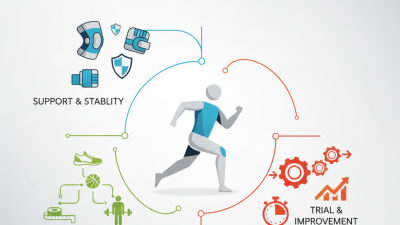
Ensure the wrap allows for normal activity. Avoid those that hinder your range of motion. Reflect on how it feels during movement. If discomfort arises, it's essential to reassess. Finding the right knee wrap can be trial and error. Don't rush; your comfort and recovery are paramount.
Considering Additional Features to Enhance Recovery Effectiveness
When selecting a knee wrap for injury recovery, additional features can significantly enhance effectiveness.
Compression is key. Studies show that proper compression can reduce swelling by up to 30%. This encourages blood flow while minimizing inflammation.
Look for wraps that provide adjustable compression levels. This adaptability allows users to modify according to their needs as healing progresses.
Consider the material of the knee wrap. Breathable fabrics can prevent moisture buildup.
A report by the Journal of Sports Rehabilitation highlights that sweat accumulation can hinder recovery.
Some knee wraps incorporate cooling technology. This can provide relief during intense recovery sessions.
On the flip side, not all materials are conducive to long-term use. Some may irritate the skin, requiring reflection on personal comfort.
Stability is another important feature. Some wraps come with additional straps or supports. This can enhance knee alignment during movement.
A study from the American Orthopaedic Society for Sports Medicine indicated that proper alignment reduces re-injury rates significantly.
However, excessive stabilization can limit mobility. Finding the right balance is crucial for optimal recovery.
Each individual's needs will vary, emphasizing the importance of personalizing the choice of knee wrap.