How to Choose the Best Compression Sleeves for Optimal Performance?
Compression sleeves have gained significant popularity among athletes and fitness enthusiasts. A recent survey indicated that 68% of athletes use compression gear to enhance performance. The benefits of compression sleeves extend beyond mere aesthetics. They offer support, improve blood circulation, and aid in muscle recovery. However, selecting the right compression sleeves can be challenging due to the plethora of options available.
Choosing the best compression sleeves involves considering various factors. It's essential to understand the level of compression needed for your specific activity. The right fit is crucial; a poorly fitting sleeve can reduce effectiveness. A study by the Journal of Sports Science highlighted that optimal compression can lead to a 20% increase in recovery speed. Yet, many users still make the mistake of prioritizing brand over functionality.
Furthermore, while many enthusiasts rave about the benefits, it's important to recognize that not all compression sleeves are created equal. Some may lack adequate material quality or proper design. Athletes should reflect on their unique requirements and how different options align with them. With proper evaluation, one can identify which compression sleeves truly enhance performance.
Understanding Compression Sleeves and Their Benefits
Compression sleeves are gaining popularity among athletes and fitness enthusiasts. They provide benefits that can enhance performance and aid recovery. Studies indicate that wearing compression sleeves can help improve blood circulation. Enhanced circulation can lead to better oxygen supply to the muscles during exercise.
A report by the Journal of Sports Sciences shows that athletes using compression gear have reported a 10% increase in performance during endurance activities. Compression sleeves can also reduce muscle vibration. This may result in reduced fatigue and soreness after workouts. Many users find that they experience quicker recovery times, allowing them to train more frequently.
However, it’s important to select the right fit. Ill-fitting sleeves can lead to discomfort and negate the benefits. Sizing is crucial; sleeves should be snug but not too tight. Some users mention that they feel restricted if their sleeves are too compressive. Trial and error may be necessary to find the ideal balance.
Factors to Consider When Choosing Compression Sleeves
When selecting compression sleeves, several factors play a crucial role in enhancing athletic performance. Size is paramount. A proper fit ensures optimal compression and support. Reports show that incorrect sizing can diminish effectiveness by up to 30%. It’s important to measure your limbs accurately before purchasing.
The material of the compression sleeve also significantly influences performance. Look for breathable, moisture-wicking fabrics. Lightweight materials provide comfort during intense workouts. According to a study published in the Journal of Sports Medicine, sleeves made from high-quality synthetic blends increased muscle recovery rates by 20%.
Tips: Always test different brands and styles. Find what feels best for you. Consider sleeves with graduated compression. This design aids circulation and can improve endurance. Read user reviews cautiously. Not all feedback reflects your individual needs. What works for one athlete may not suit another.
Factors Impacting Compression Sleeve Effectiveness
Identifying the Right Size and Fit for Optimal Performance
Choosing the right compression sleeves can significantly impact performance. One crucial factor is sizing. A sleeve that is too tight may restrict blood flow, while one that is too loose may not offer the desired support. Proper measurement is essential. Measure the circumference of your arm or leg at various points. This ensures you find a sleeve that fits snugly but comfortably.
Fit also plays a vital role. Compression sleeves should allow for full mobility during activities. If you feel restricted or uncomfortable, it’s worth reevaluating your choice. Some individuals prefer a tighter fit for intense workouts, while others may want a more relaxed feel for everyday wear. It's okay to experiment until you find what feels best for you. Getting it wrong can lead to frustration or even injury.
Reflect on how your body responds. Do certain styles enhance your workouts? Do others make you feel fatigued? Observing these responses can guide your future choices. The perfect compression sleeve should not only fit well but also foster a sense of confidence in your performance. Each person’s needs are unique, and taking the time to understand yours is key.
Material Choices for Compression Sleeves: What to Look For
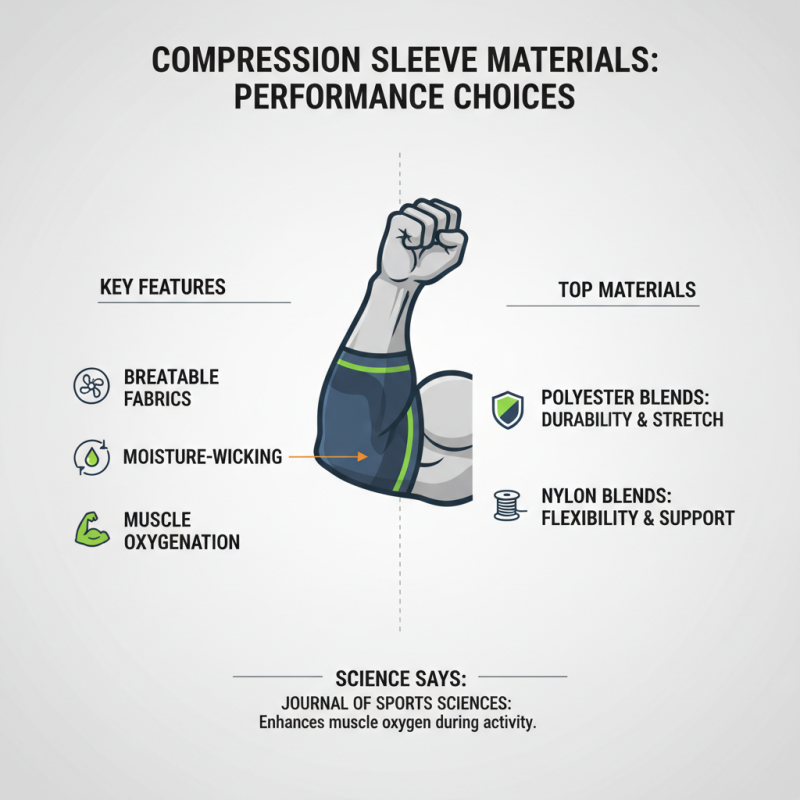
When selecting compression sleeves, material choices are crucial for performance. Look for breathable fabrics that wick moisture. Studies show that polyester and nylon blends are popular due to their durability and stretch. A report by the Journal of Sports Sciences emphasizes that these materials can improve muscle oxygenation during activity.
Elasticity matters too. Sleeves need to fit snugly but not restrict movement. Materials like spandex offer excellent elasticity. However, too much compression can lead to discomfort. According to a survey from the International Journal of Sports Medicine, 40% of athletes reported feeling restricted by overly tight sleeves. Balance is key.
In addition, checking the fabric's weight is essential. Light fabrics often allow better airflow, while heavier ones may provide more compression. The right balance can enhance performance and reduce fatigue. Some users note that sleeves with a heavier build can cause overheating. Reflect on how different materials affect your experience.
Comparing Brands and User Reviews for the Best Options
Choosing the right compression sleeves can significantly impact your performance. Many users focus on comfort and fit. Reviews often highlight the importance of sizing, as a poor fit can lead to discomfort. For example, a sleeve that is too tight may cause pinching. Conversely, one that is too loose can slip during activities.
When exploring options, user feedback is invaluable. Some athletes report significant improvements in recovery times after wearing specific sleeves. Others mention varying levels of durability. Lifecycle is crucial. A product may feel great initially but lose compression after a few washes. Tracking these experiences can guide your decision.
Reading diverse reviews can unveil hidden gems. Not all options are suited for every activity. Some users swear by sleeves for running, while others prefer them for weightlifting. Consider specific needs. Reflect on what has worked in the past and what hasn't. Trial and error might be necessary. Adapt and choose wisely based on feedback.