Best Waist Brace for Back Pain Relief Which One Works?
When it comes to managing back pain, many individuals turn to a waist brace for relief. This supportive accessory has gained popularity among those struggling with discomfort and mobility issues. A well-designed waist brace provides stability and can help alleviate pressure on the spine. Choosing the right brace can be overwhelming, given the numerous options available.
Different materials and designs can significantly impact comfort and effectiveness. For example, some waist braces feature adjustable straps for a customized fit, while others may prioritize breathability. It is essential to consider personal preferences, as well as the specific nature of one’s back pain. Recommendations from health professionals can guide individuals in finding a suitable option.
However, not all braces work the same for everyone. What provides relief for one person may not work for another. This variability makes it important to explore various braces and assess their effectiveness. Understanding these nuances will help individuals make informed choices. Ultimately, finding the best waist brace requires patience and careful consideration of one’s unique needs.
Overview of Waist Braces and Their Purpose in Back Pain Relief
Waist braces play a significant role in providing support to individuals suffering from back pain. They are designed to stabilize the lower back and reduce strain on muscles. According to recent studies, up to 80% of adults experience back pain at some point in their lives. Proper support can make a difference for those struggling with chronic pain and discomfort.
The effectiveness of waist braces varies among users. Some studies indicate that those who wear waist braces during physical activity report a decrease in pain levels. However, others find that prolonged use might lead to muscle weakness. This trade-off is important for patients to consider. A balance between support and muscle strength is essential.
Additionally, waist braces should not be seen as a standalone solution. They are most effective when combined with physical therapy and exercise. Patient education plays a crucial role in ensuring proper usage. Over-reliance on biomechanical devices can hinder recovery over time. Understanding the purpose and limitations of waist braces is key for effective back pain management.
Effectiveness of Different Waist Braces for Back Pain Relief
This chart illustrates the perceived effectiveness of various types of waist braces based on user feedback. The effectiveness is measured on a scale from 1 to 10, where 10 indicates maximum relief.
Types of Waist Braces Available for Back Pain Management
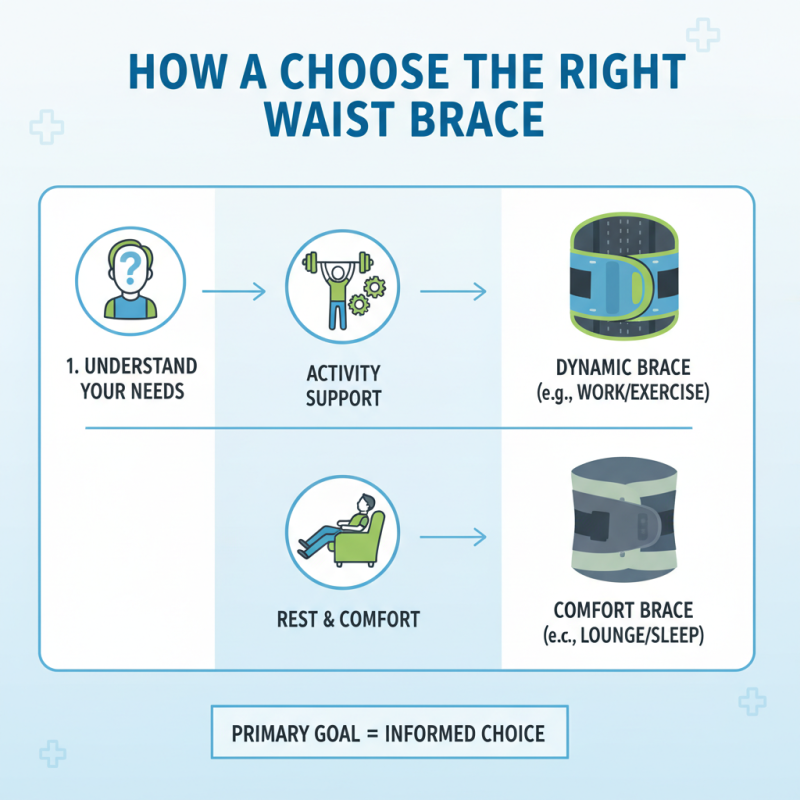
When dealing with back pain, the right waist brace can make a significant difference. There are various types of braces available designed for specific needs. Some offer compression, which helps stabilize the lower back. Others provide support for posture correction, beneficial for long hours of sitting. The type of brace you choose should depend on your pain level and daily activities.
Many people overlook the importance of proper fit. A waist brace that is too tight can restrict movement, causing more discomfort. Conversely, one that is too loose may not provide adequate support. Take time to explore options that feel comfortable yet firm. You may also consider different materials, such as breathable fabrics for everyday wear or more rigid supports for heavy lifting.
Tips for choosing a waist brace include consulting with a healthcare professional. They can guide you in understanding your specific back pain and the appropriate brace type. Experimenting with various styles can also lead to better outcomes. Don't hesitate to make adjustments based on your body's feedback. Finding the right balance takes time, so be patient and reflective throughout the process.
Best Waist Brace for Back Pain Relief - Types of Waist Braces Available for Back Pain Management
| Type of Brace |
Material |
Adjustment Type |
Target Area |
Recommended Use |
| Elastic Waist Brace |
Stretchable fabric |
Velcro straps |
Lower back |
Mild support, daily wear |
| Rigid Back Brace |
Plastic/metal inserts |
Pull straps |
Entire back |
Post-surgery recovery, severe pain |
| Lumbar Support Brace |
Neoprene |
Adjustable belts |
Lower back |
Chronic back pain, office use |
| Sacroiliac Belt |
Elastic |
Buckle |
Pelvic area |
Pelvic instability, sciatica relief |
| Thermal Waist Brace |
Heat-retaining fabric |
Elastic bands |
Back and abdomen |
Muscle strain, warmth therapy |
Effectiveness of Waist Braces: What the Research Says
When considering the effectiveness of waist braces for back pain relief, recent research presents mixed findings. A study published in the Journal of Pain Research indicated that while some individuals experience relief, others report little to no benefits. Approximately 60% of participants in controlled trials noted an improvement in their pain levels. However, a significant portion mentioned discomfort or dependency on the brace, highlighting the importance of individualized approaches to back pain management.
Tips for choosing a waist brace: Ensure proper sizing for comfort. A brace that is too tight may cause more pain. Look for features like adjustable straps to enhance fit. Regularly evaluate how the brace affects your movement. Over-reliance on these devices can lead to weakened core muscles.
Investigating the long-term impact of waist braces reveals potential drawbacks. Relying solely on a brace could delay recovery or exacerbate conditions. Some healthcare professionals recommend combining braces with physical therapy for optimal outcomes. Holistic approaches, emphasizing strengthening exercises, can support lasting relief.
Tips for Proper Use and Maintenance of Waist Braces for Best Results
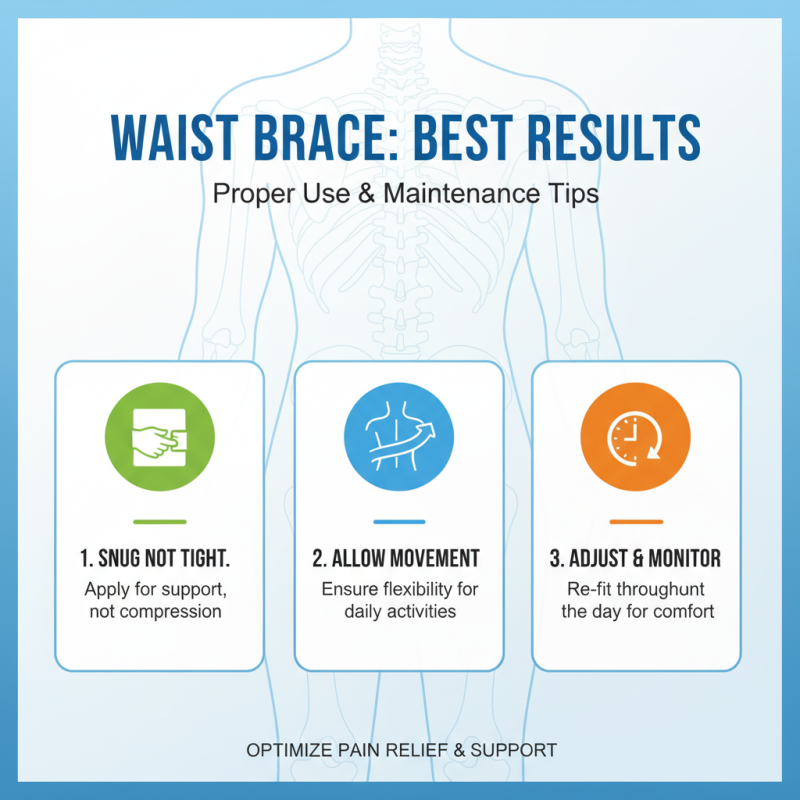
When using a waist brace for back pain relief, proper application is essential for effectiveness. Ensure the brace is snug but not too tight. A well-fitted brace should support your lower back while allowing for normal movement. You may need to adjust it throughout the day for comfort. Many people overlook this detail, leading to discomfort and ineffective pain management.
Regular maintenance of your waist brace will extend its life and effectiveness. Clean it according to the manufacturer's instructions, usually involving gentle washing and air drying. Inspect the brace for wear and tear periodically. A damaged brace may not provide the necessary support. Some users may find that their brace begins to feel less effective over time. This could indicate that it’s time for a replacement or simply a need for adjustment in how you're wearing it.
Listening to your body is crucial. If at any point the brace causes more pain, consider consulting a professional. Back pain varies greatly from person to person, and what works for one might not work for another. Reminding yourself to focus on how your body responds can enhance your overall experience with the brace.